1800-889-0626
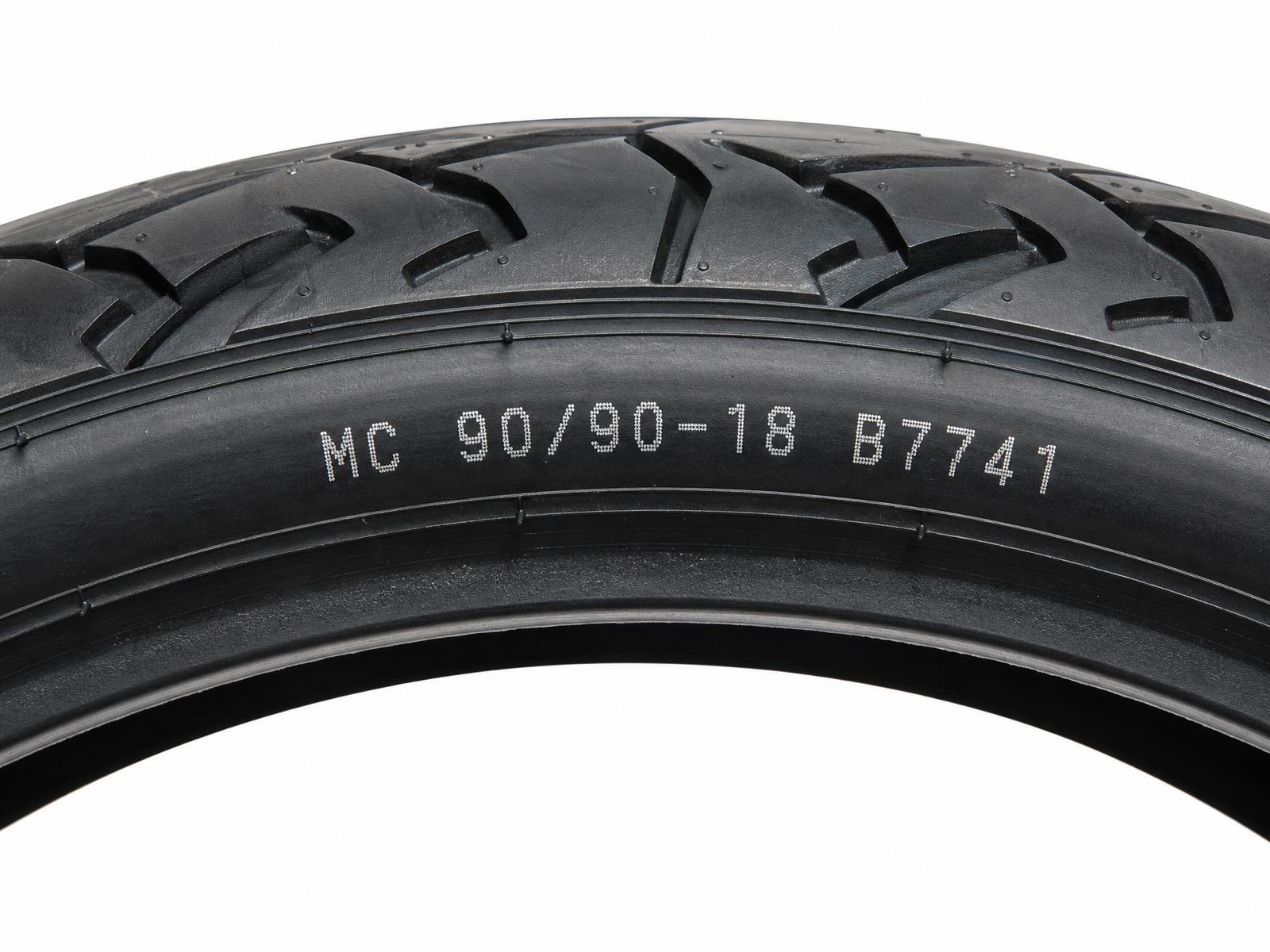
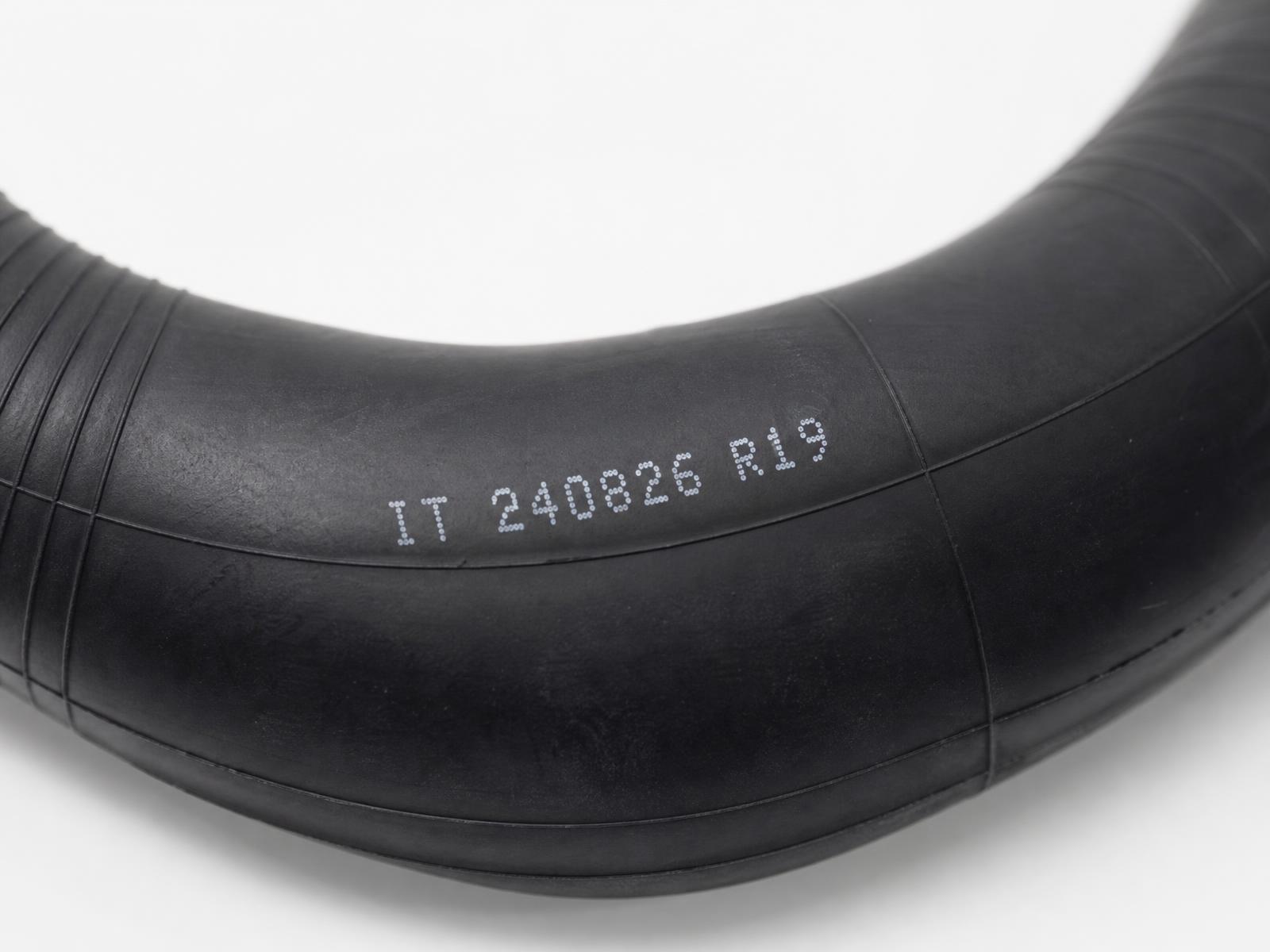
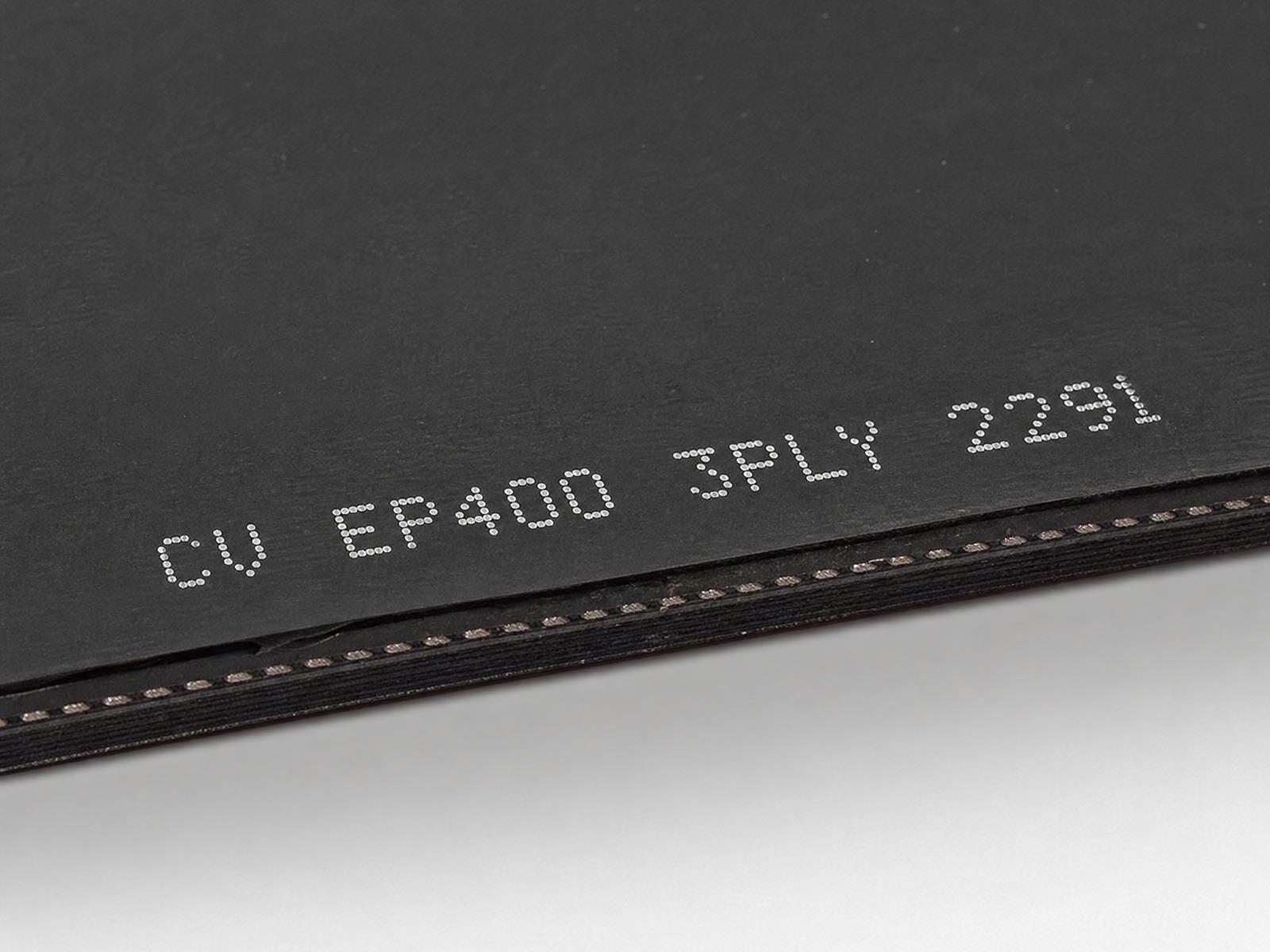
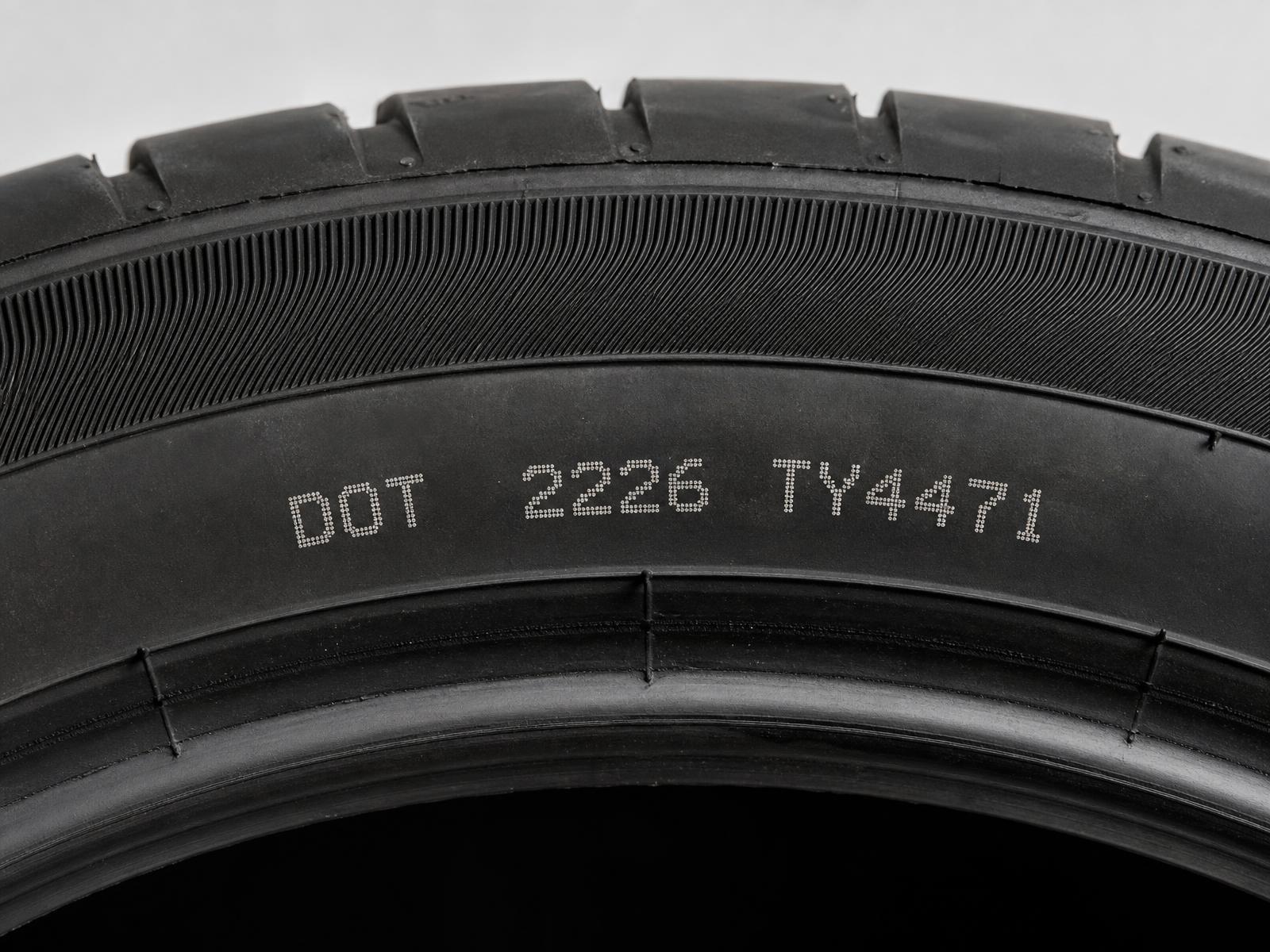
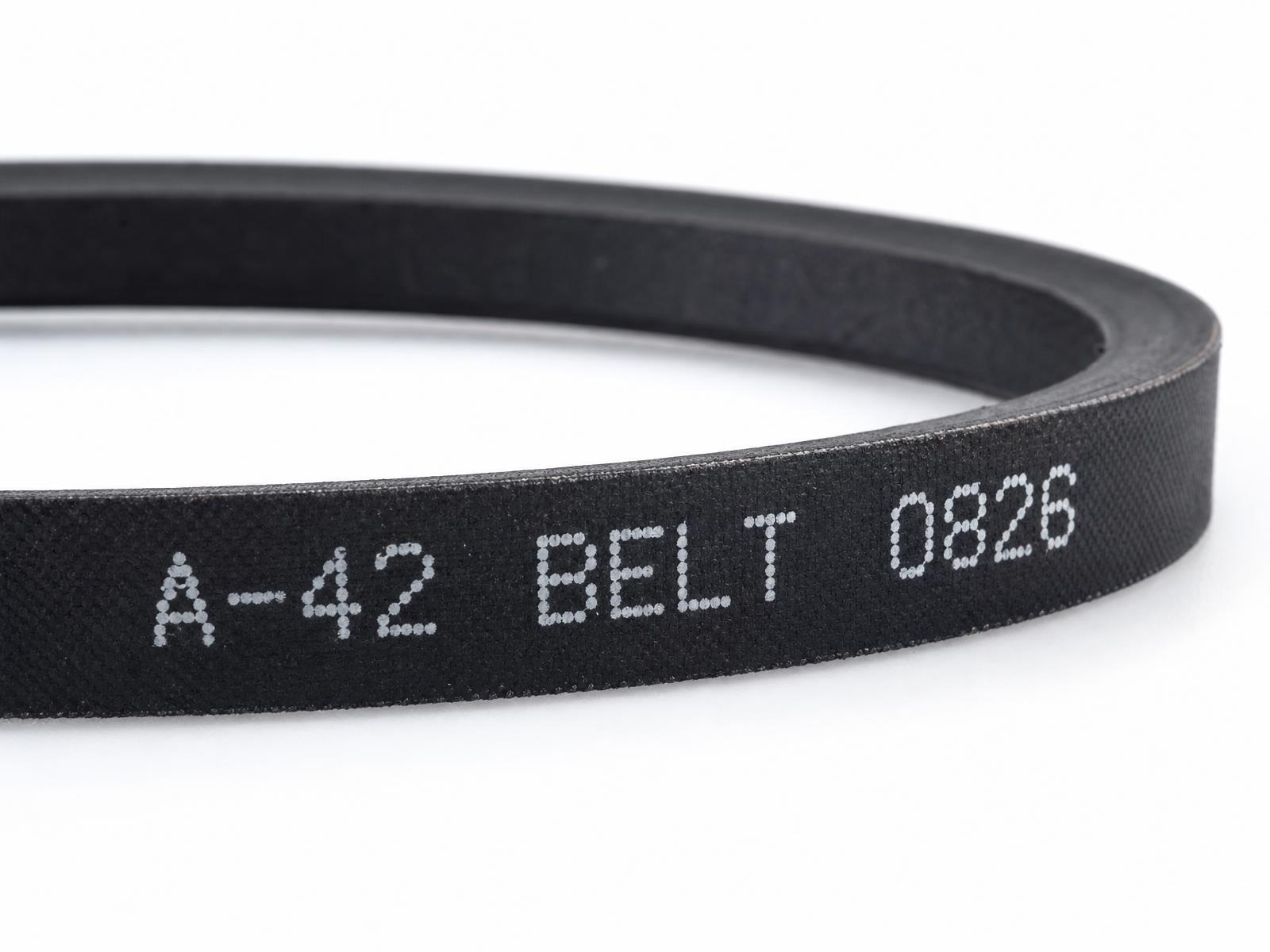
Manufacturers of tyres and rubber products work with materials that present specific challenges for industrial marking. Rubber compounds vary in elasticity, surface texture and composition, while dark surfaces can make printed information difficult to read. Batch identification and production-related markings help manufacturers track components during production and quality control.
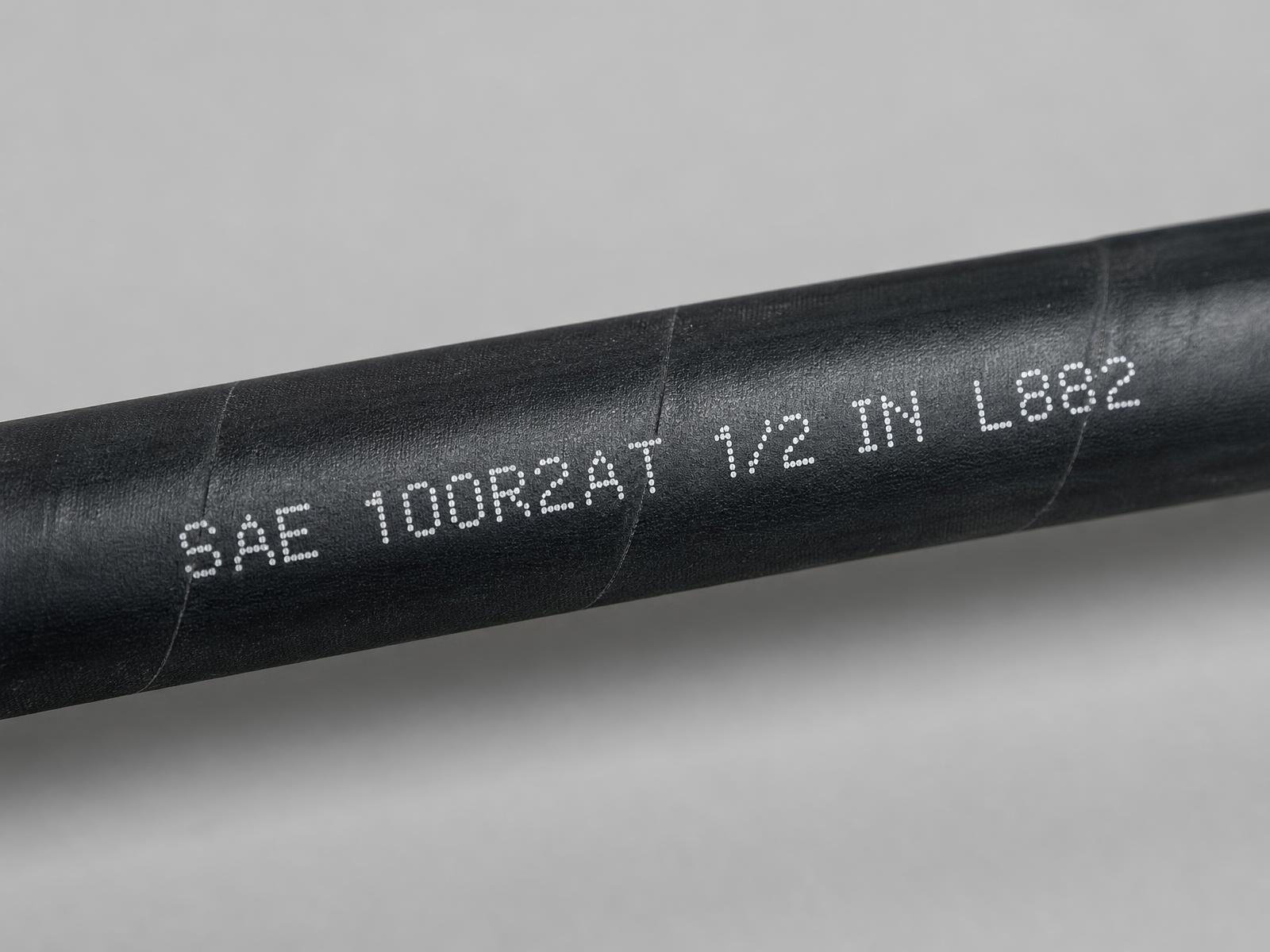
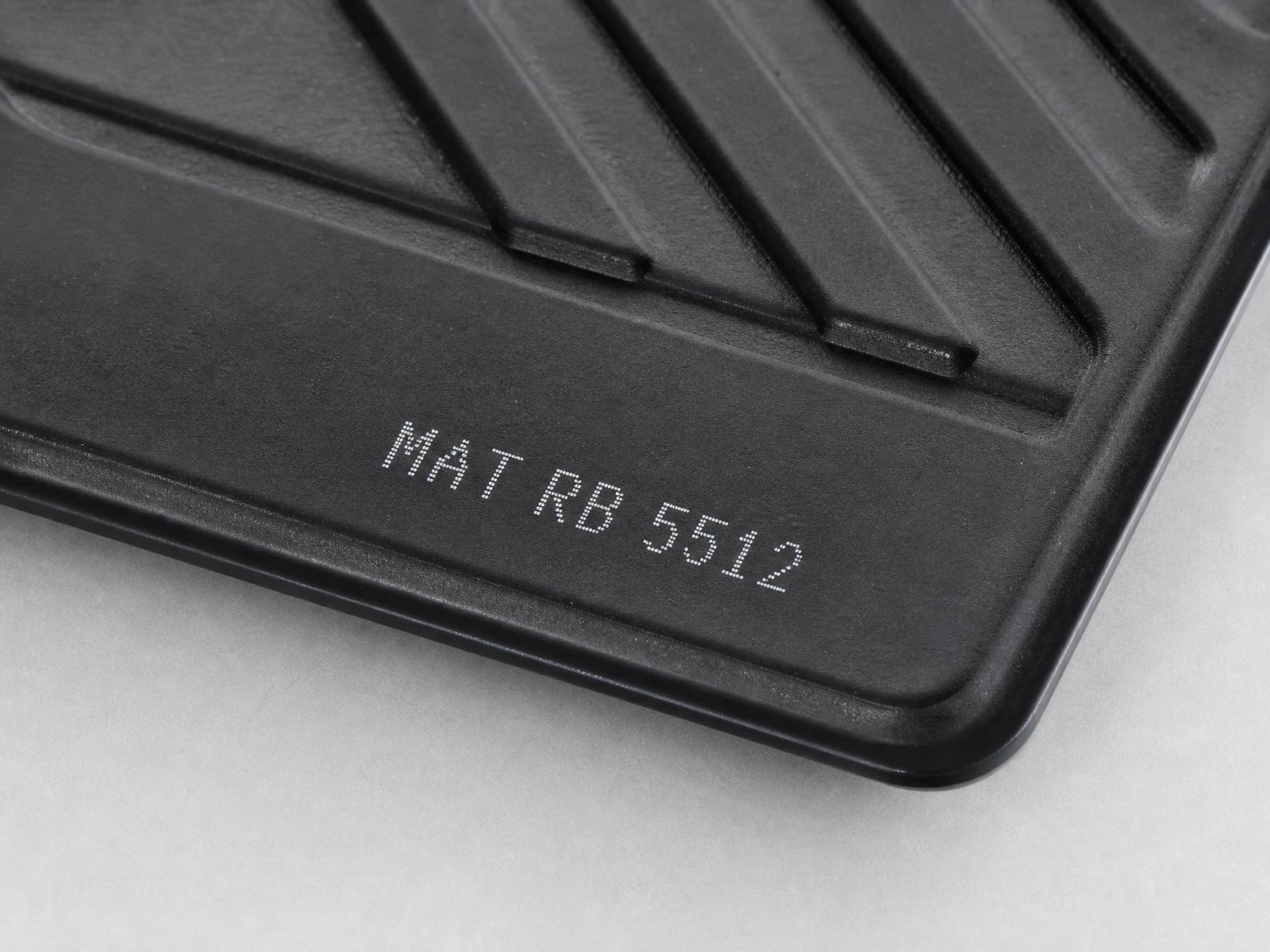
LMI-LEIBINGER continuous inkjet technology offers non-contact marking solutions for suitable natural and synthetic rubber materials, including selected moulded and vulcanised components. High-contrast pigmented inks and specialised ink formulations help address different surface requirements. For tyre-related applications, the material, production stage and required marking durability must be evaluated before selecting a printing solution.
Yes. LMI-LEIBINGER CIJ printers can be used to mark suitable natural and synthetic rubber products, including certain moulded and vulcanised components. Because rubber formulations vary considerably, ink adhesion and durability should be confirmed through application testing.
The suitability of CIJ printing for tyre sidewalls or treads depends on the rubber compound, surface condition, production stage and marking requirements. Direct printing should not be assumed to be suitable for every tyre application. A sample test is necessary to determine whether CIJ technology or another marking process is appropriate.
LMI-LEIBINGER offers high-contrast pigmented inks designed to improve code visibility on dark materials. The appropriate ink is selected according to the rubber surface, required print size and production conditions.
Code durability depends on factors such as ink adhesion, rubber flexibility, friction and exposure to chemicals or heat. For flexible rubber components, practical tests should include the bending, abrasion and handling conditions expected during production and use.
© Copyright LMI India. All Rights Reserved.
Designed and Developed by Easy Solutions 360.