1800-889-0626
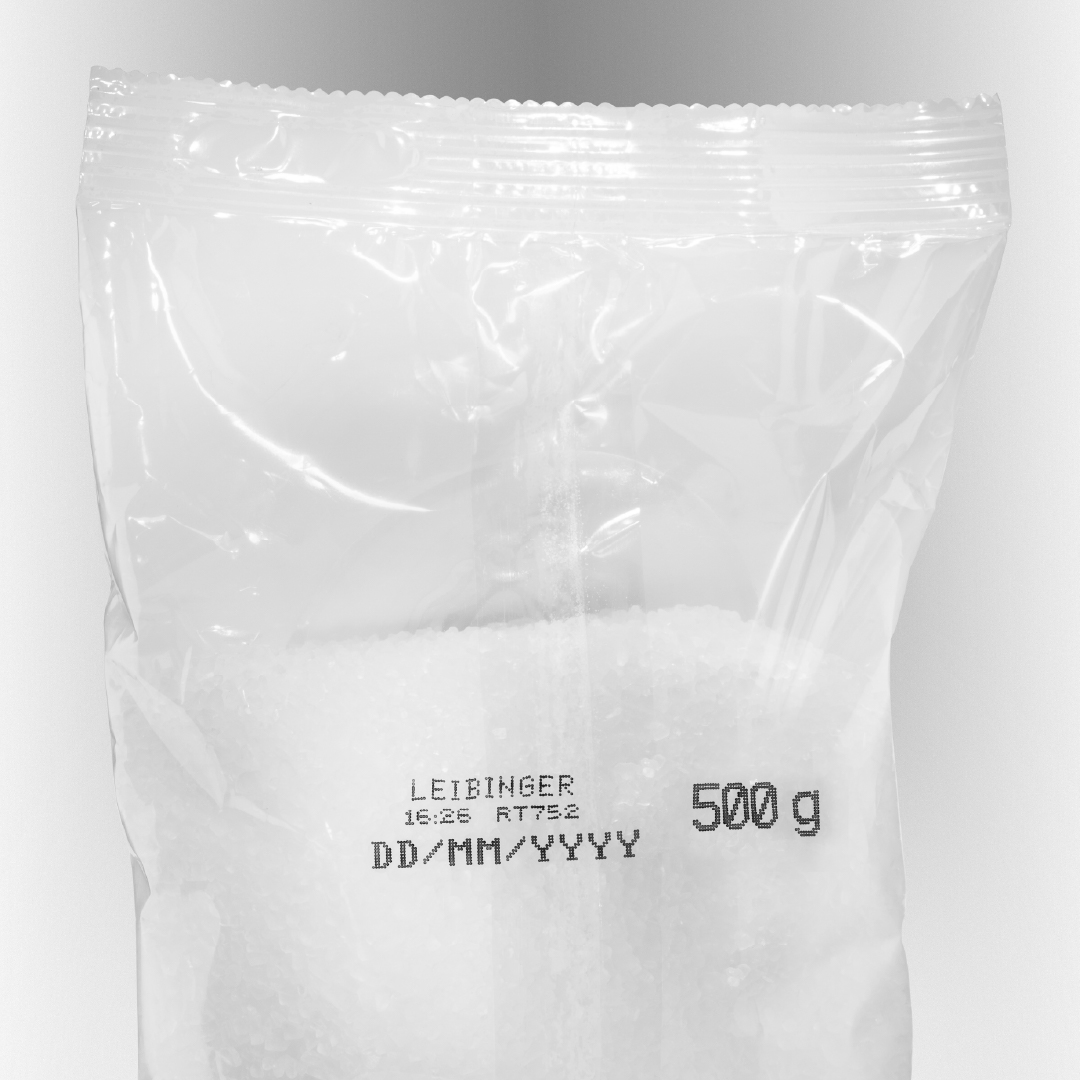
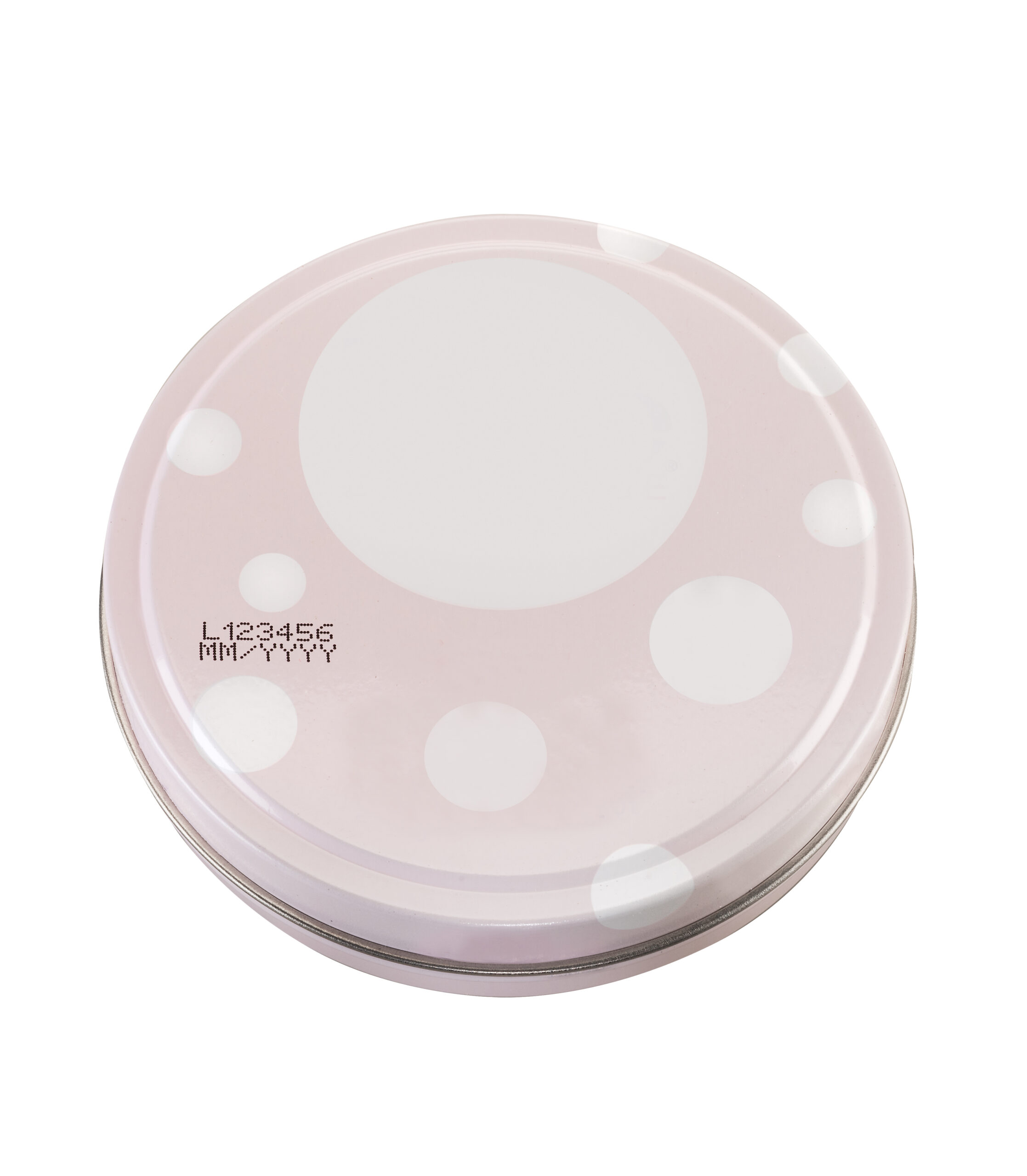
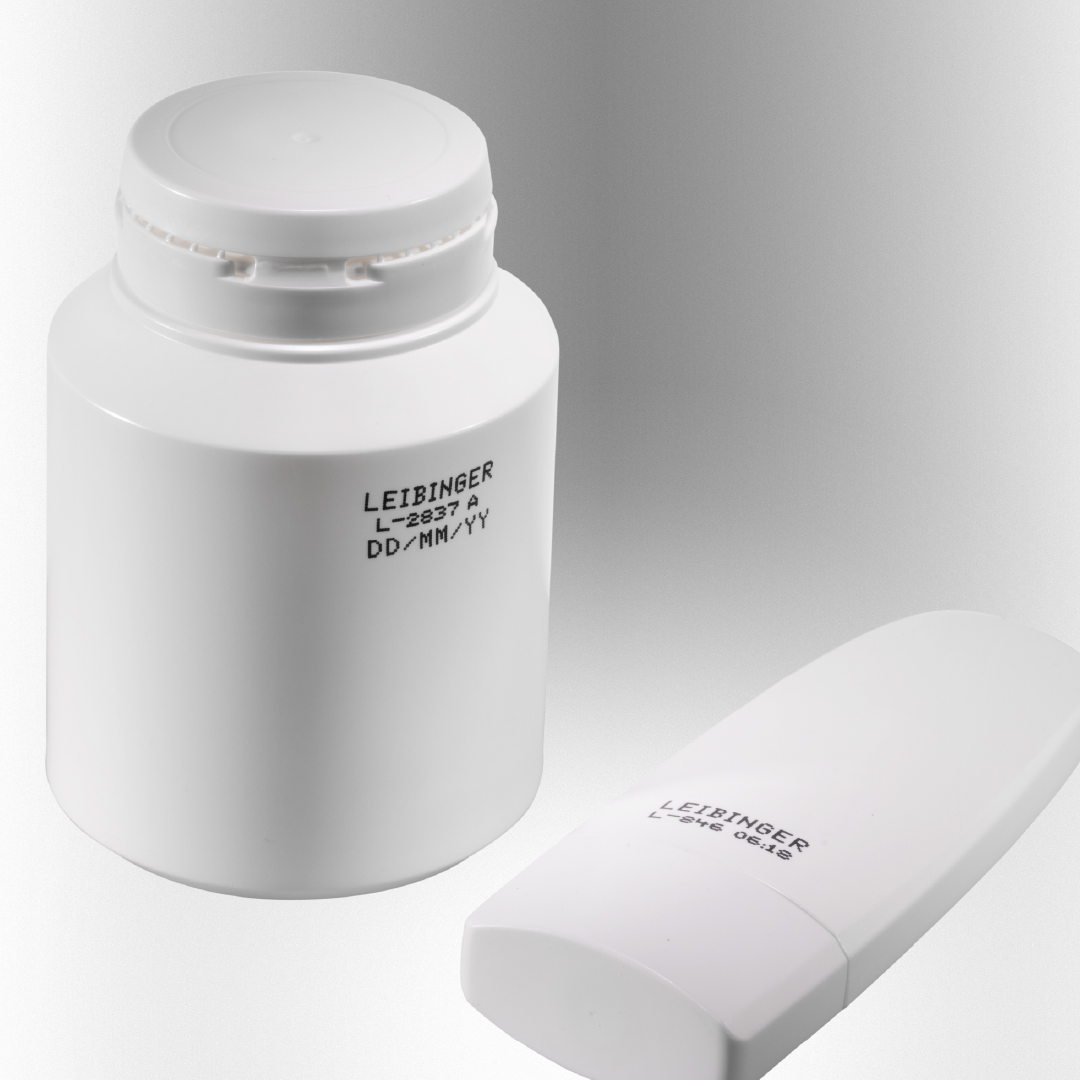
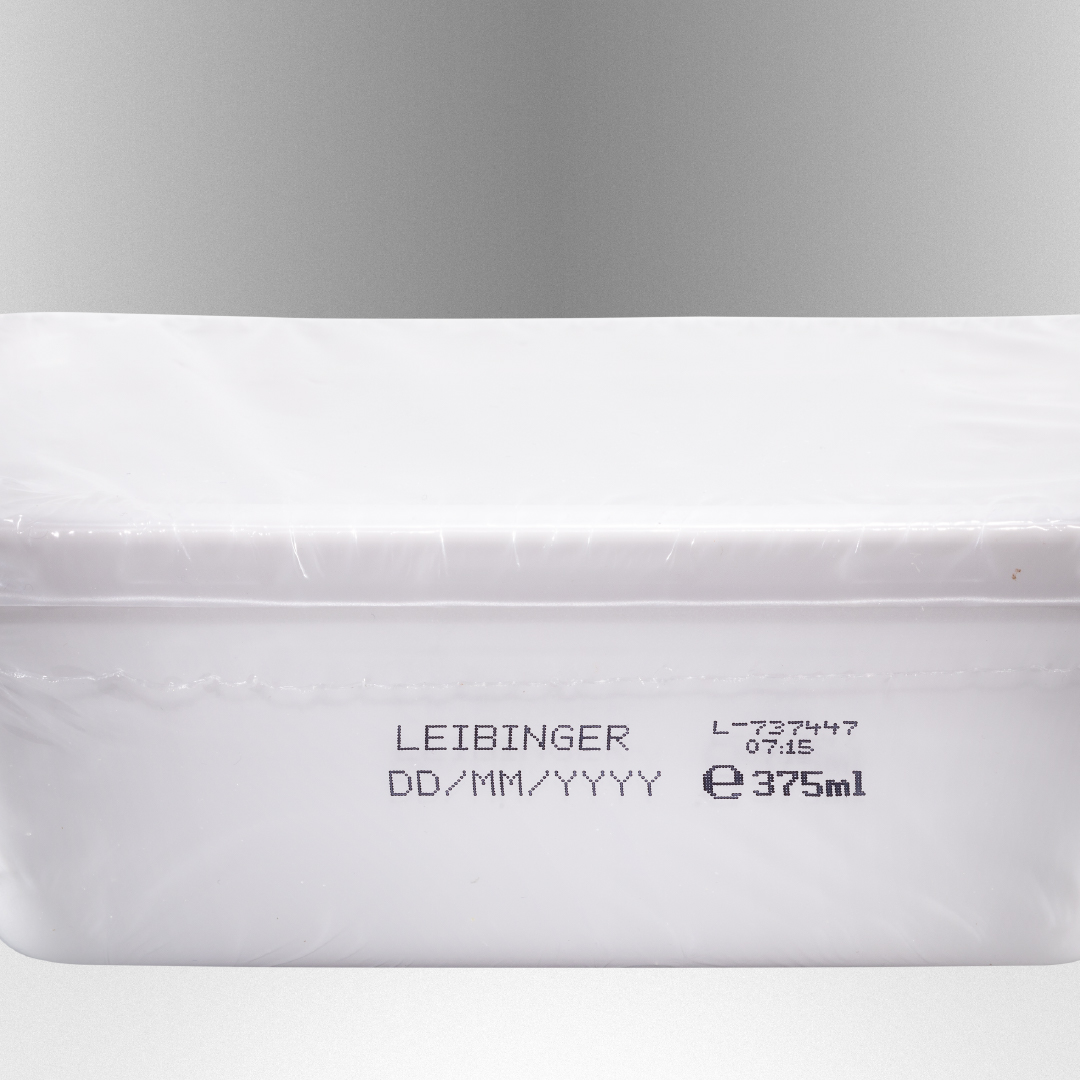
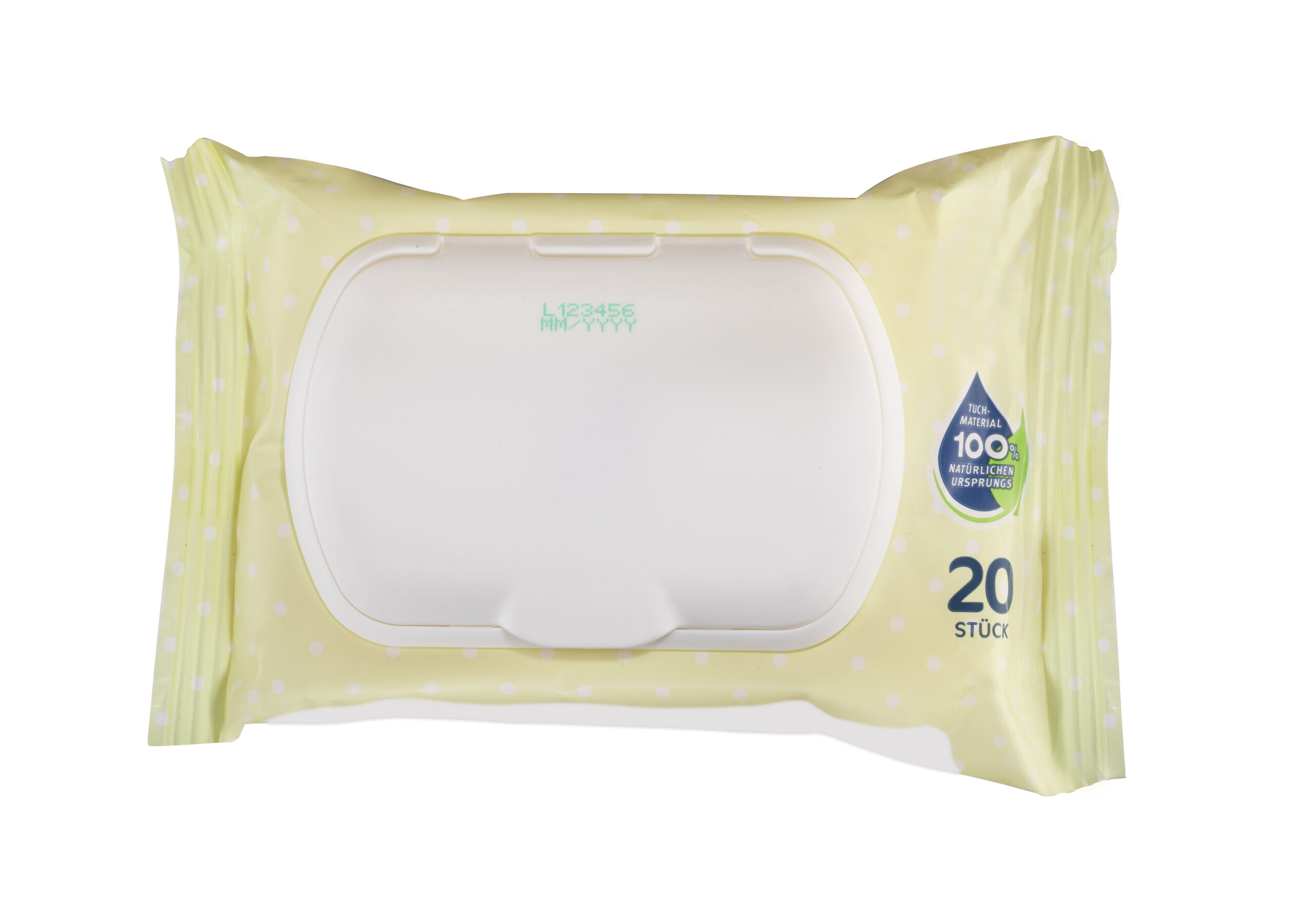
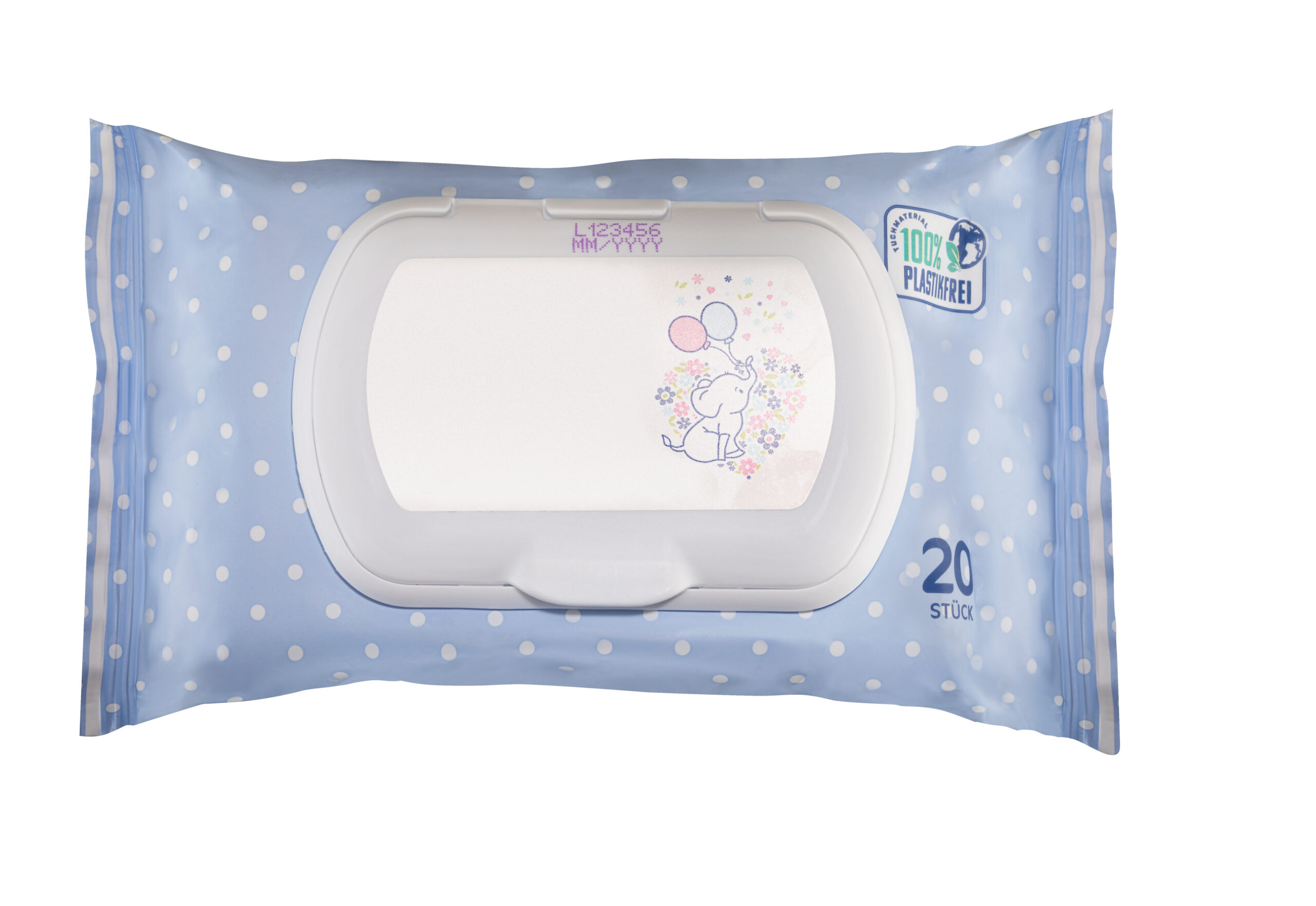
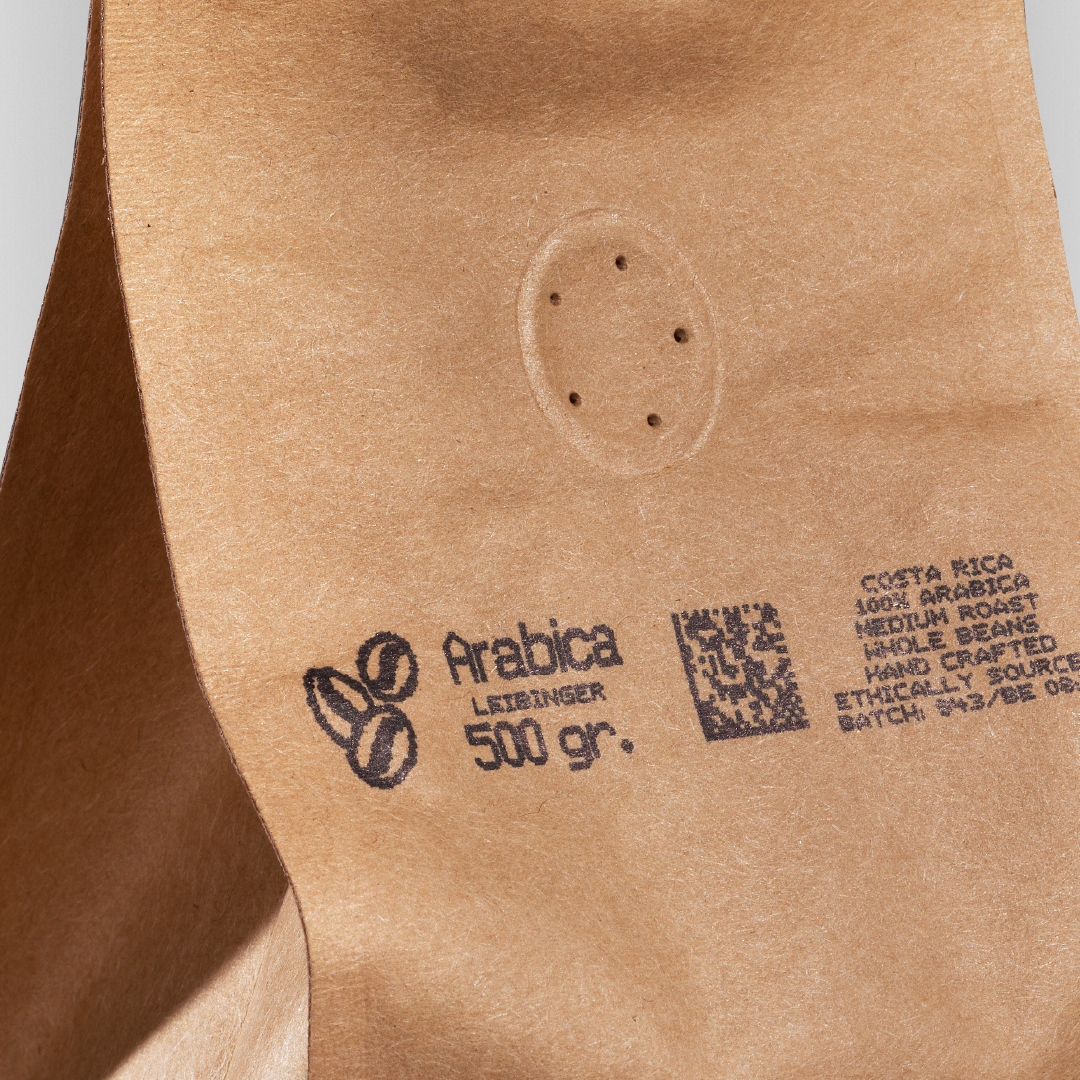
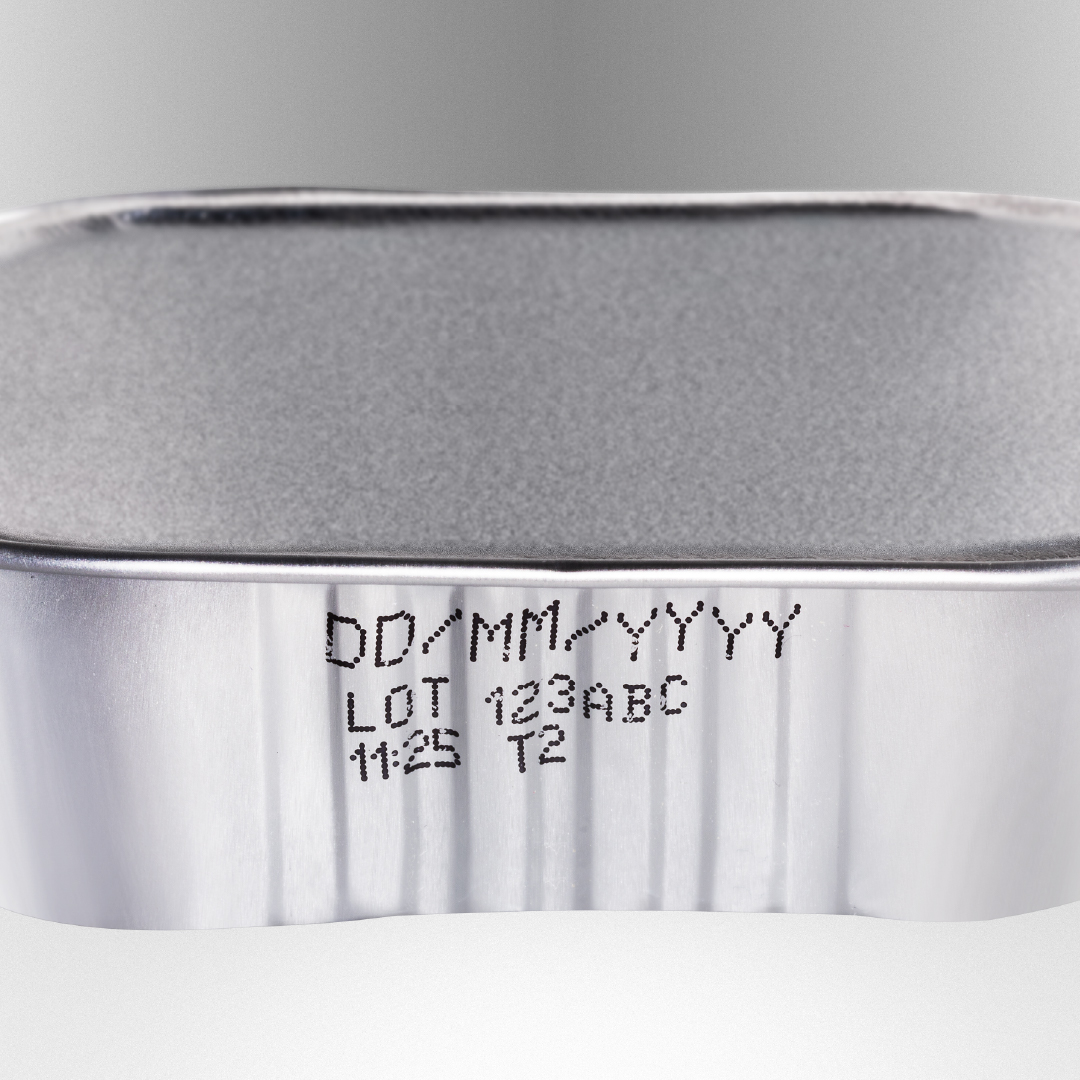
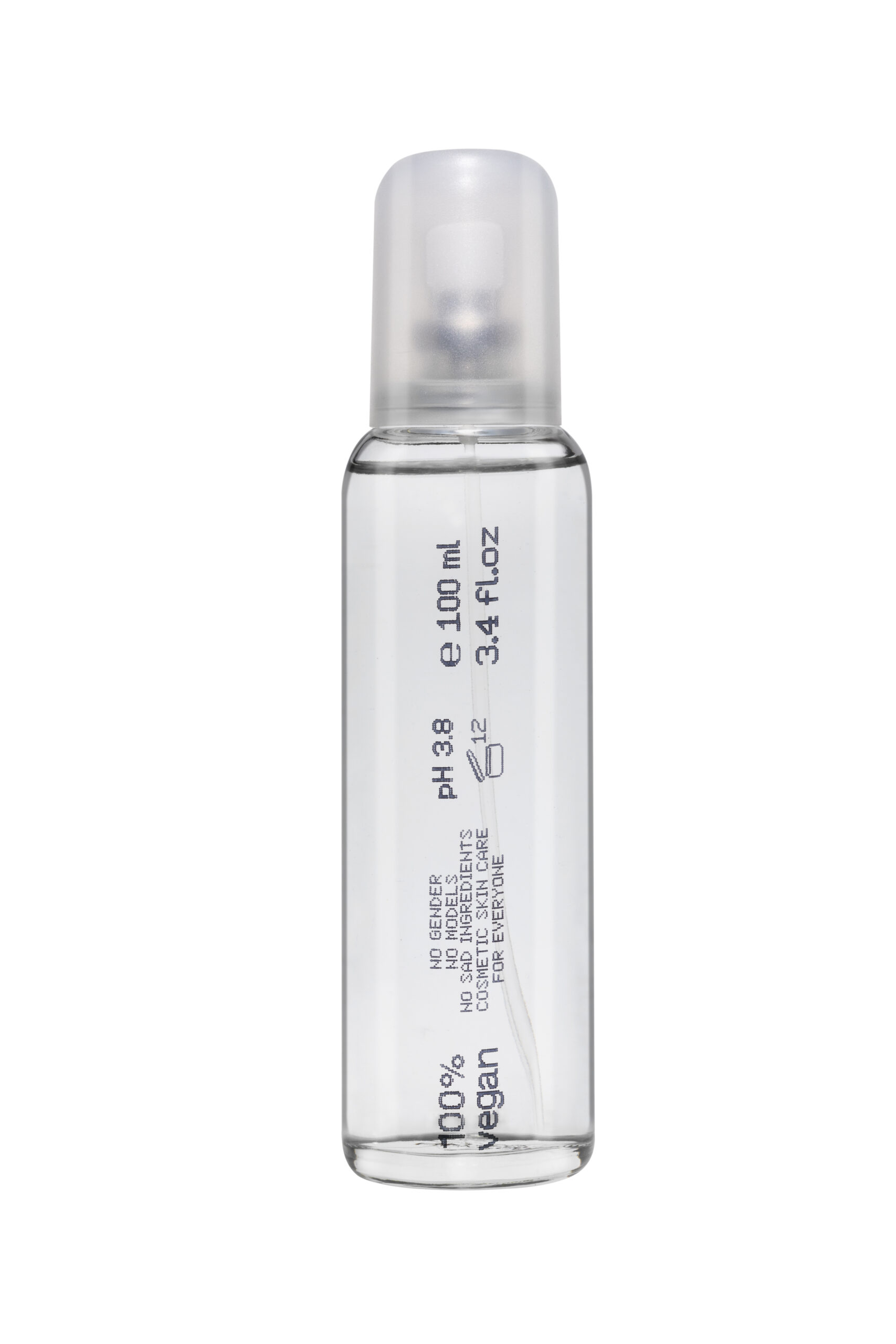
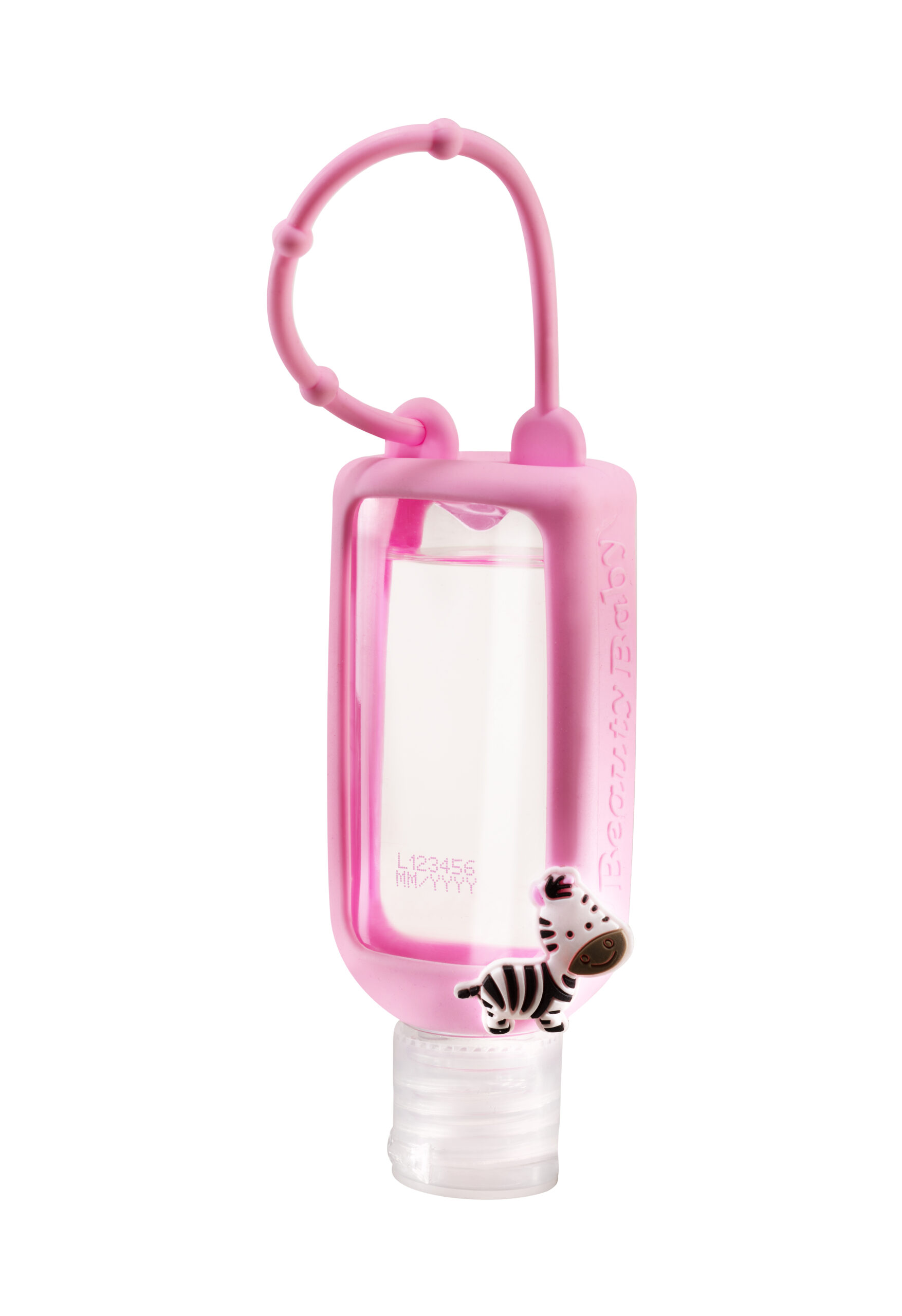
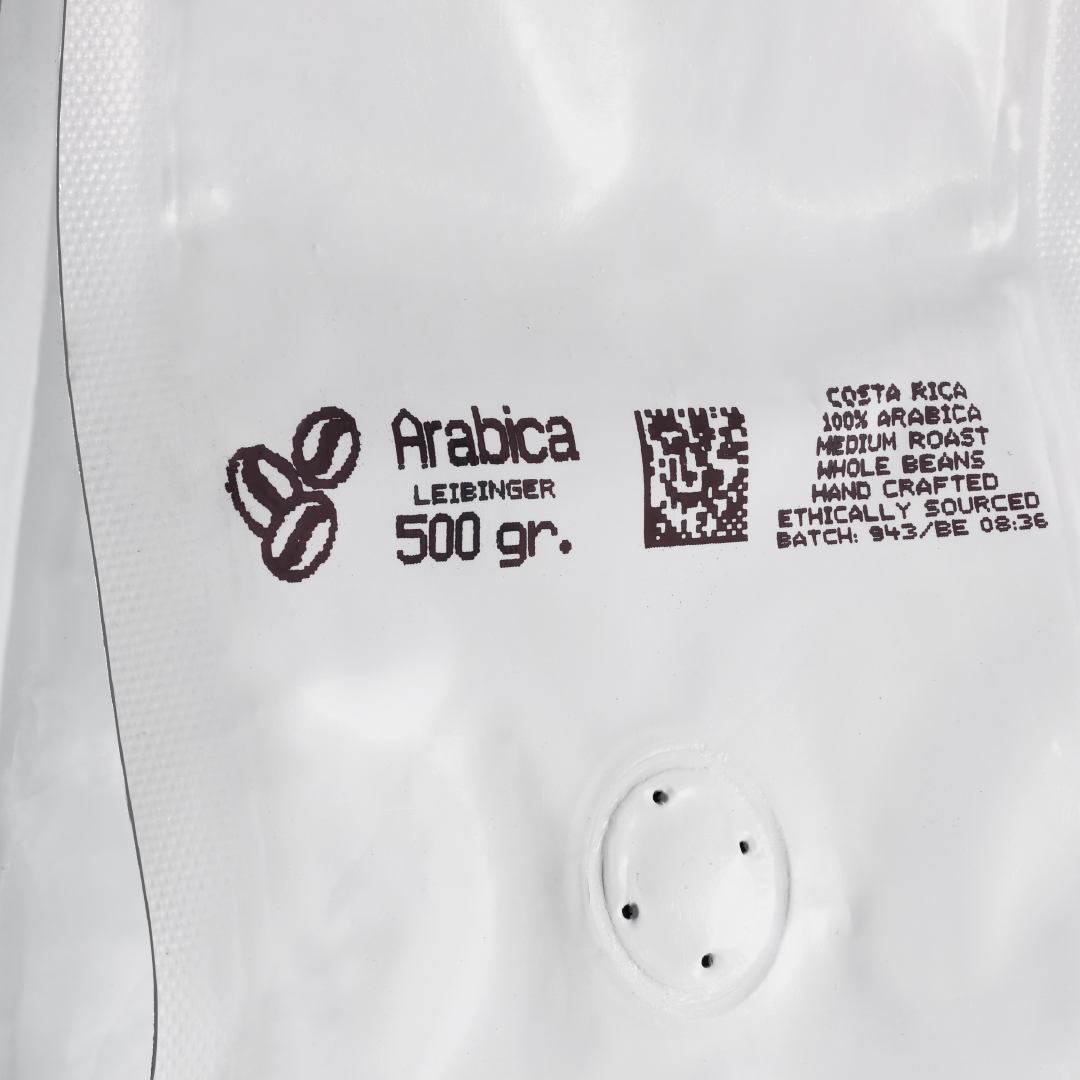
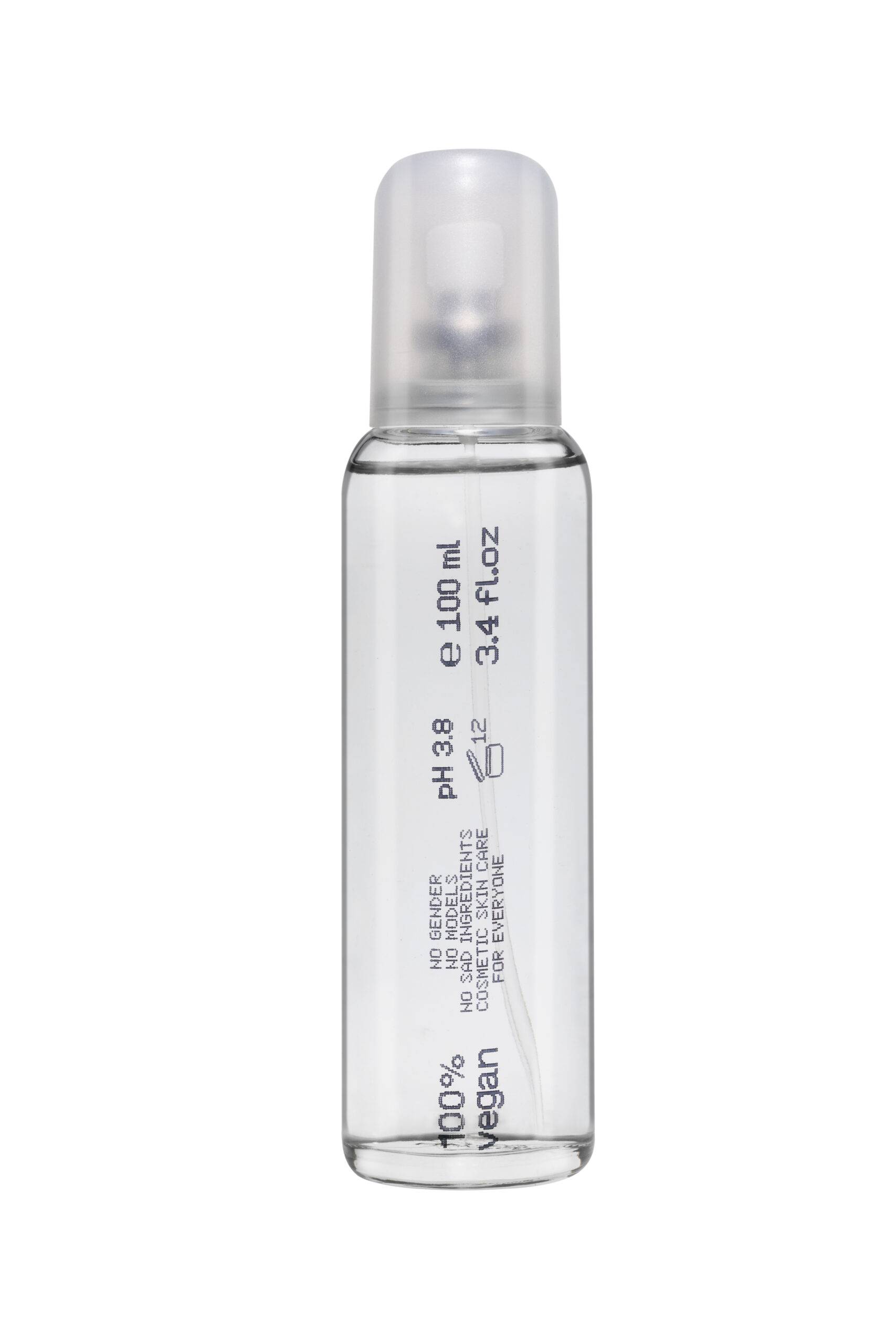
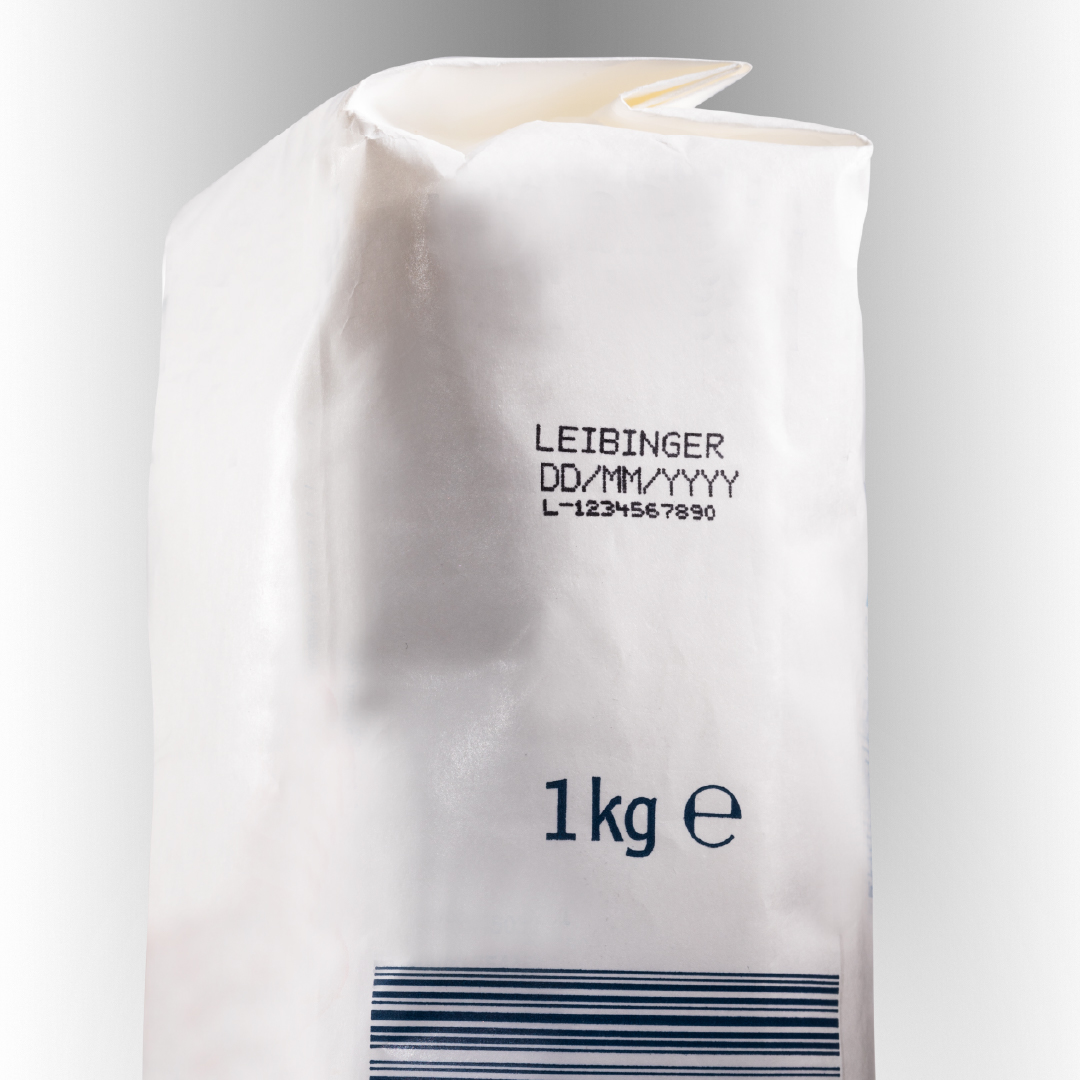
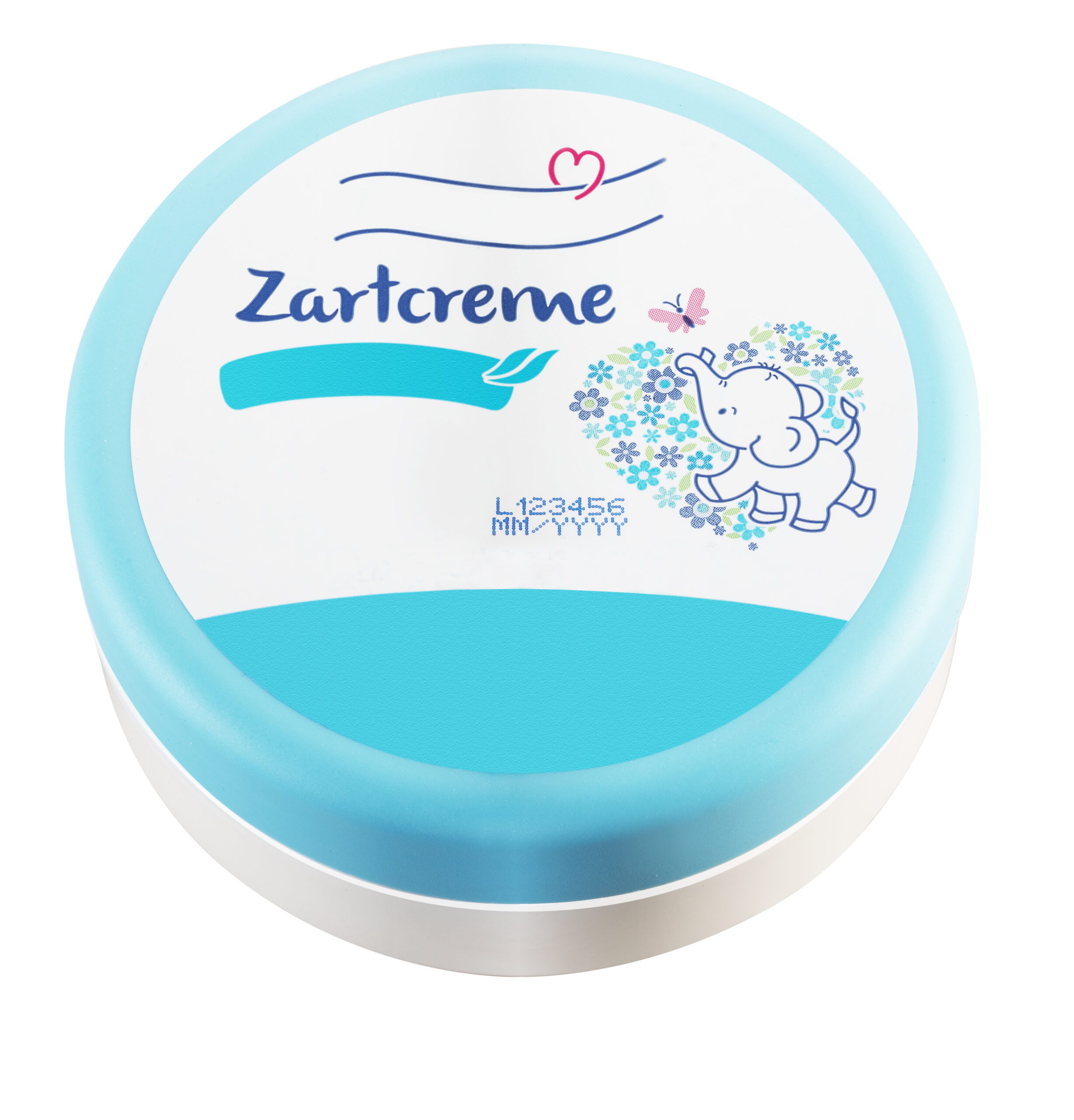
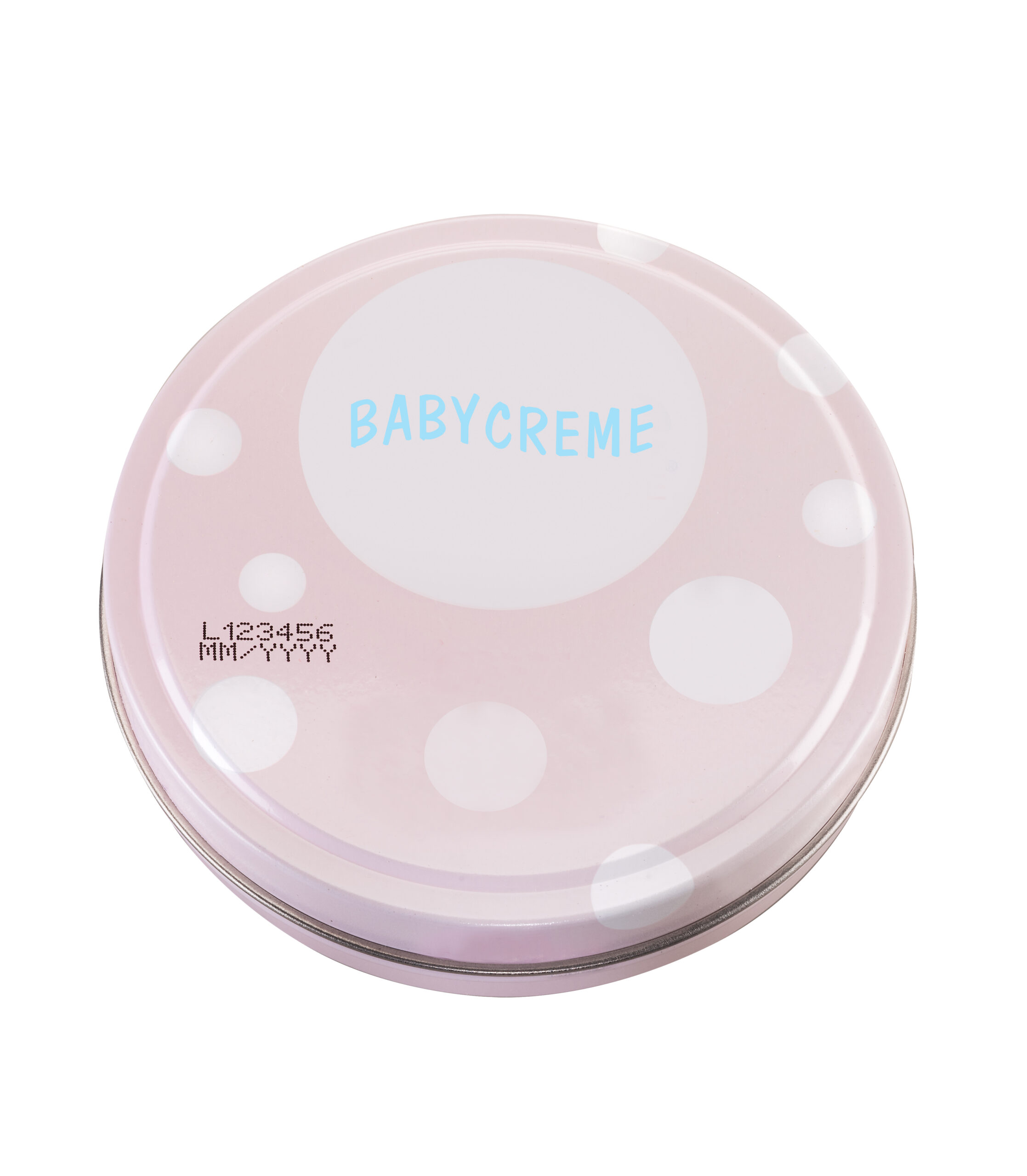
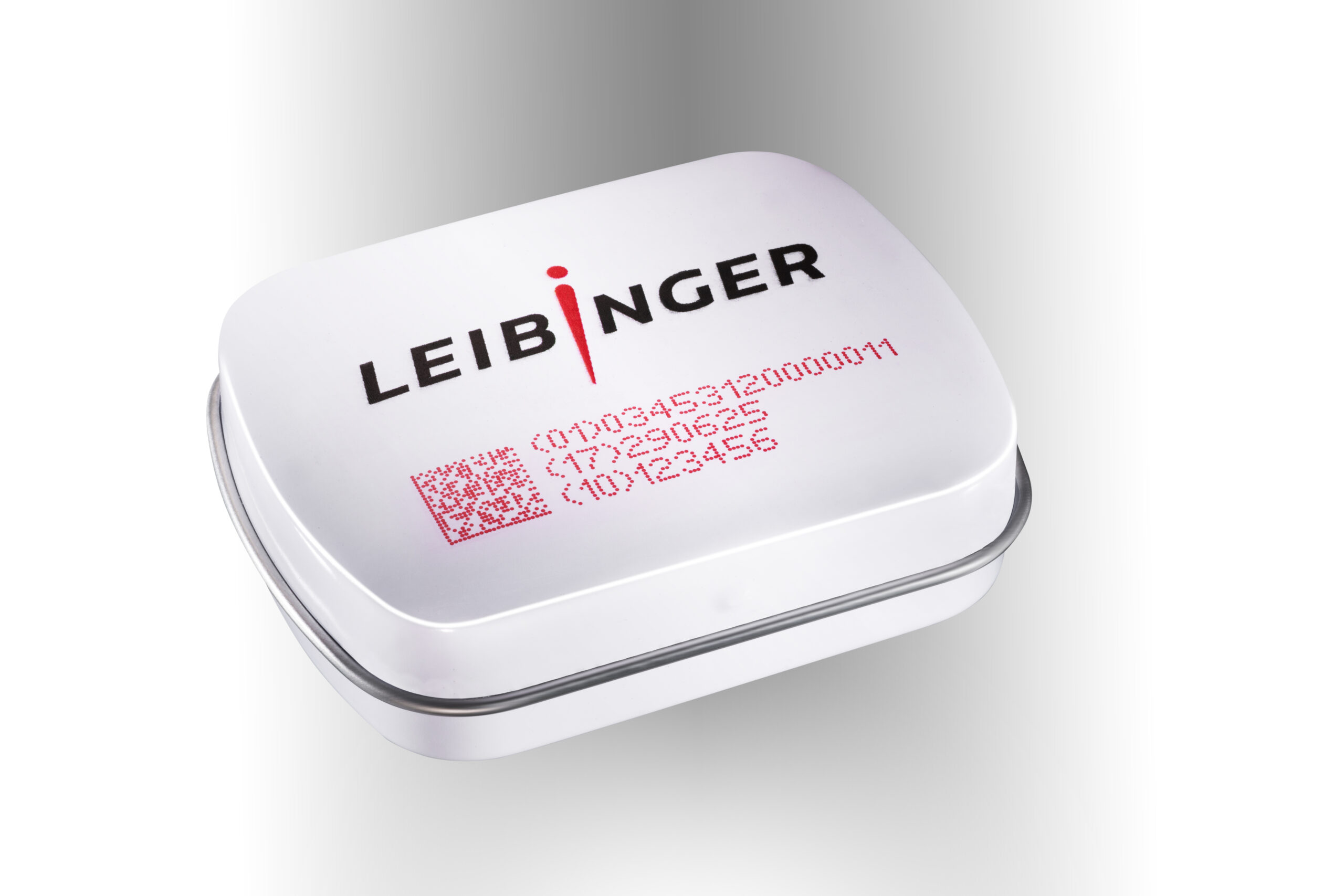
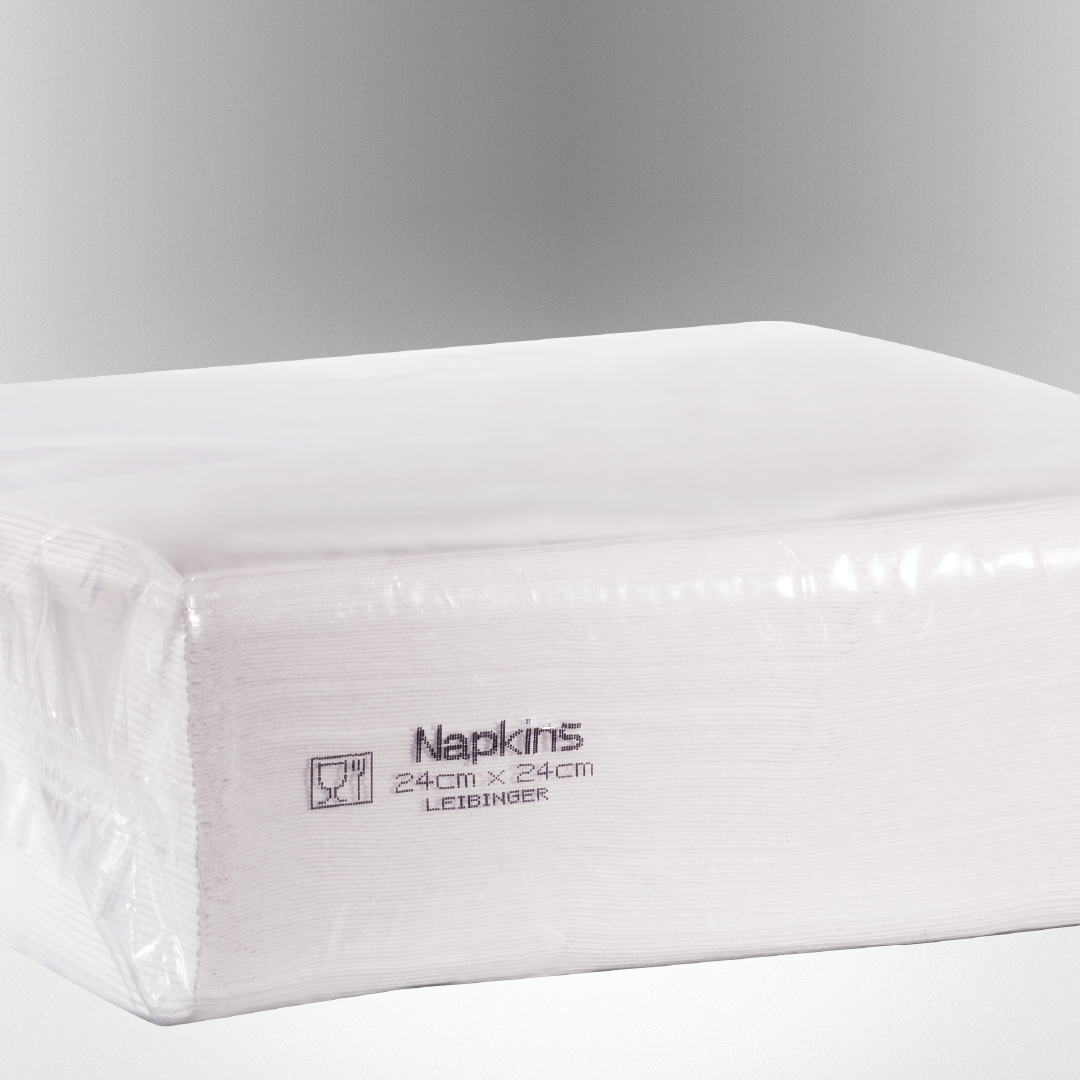
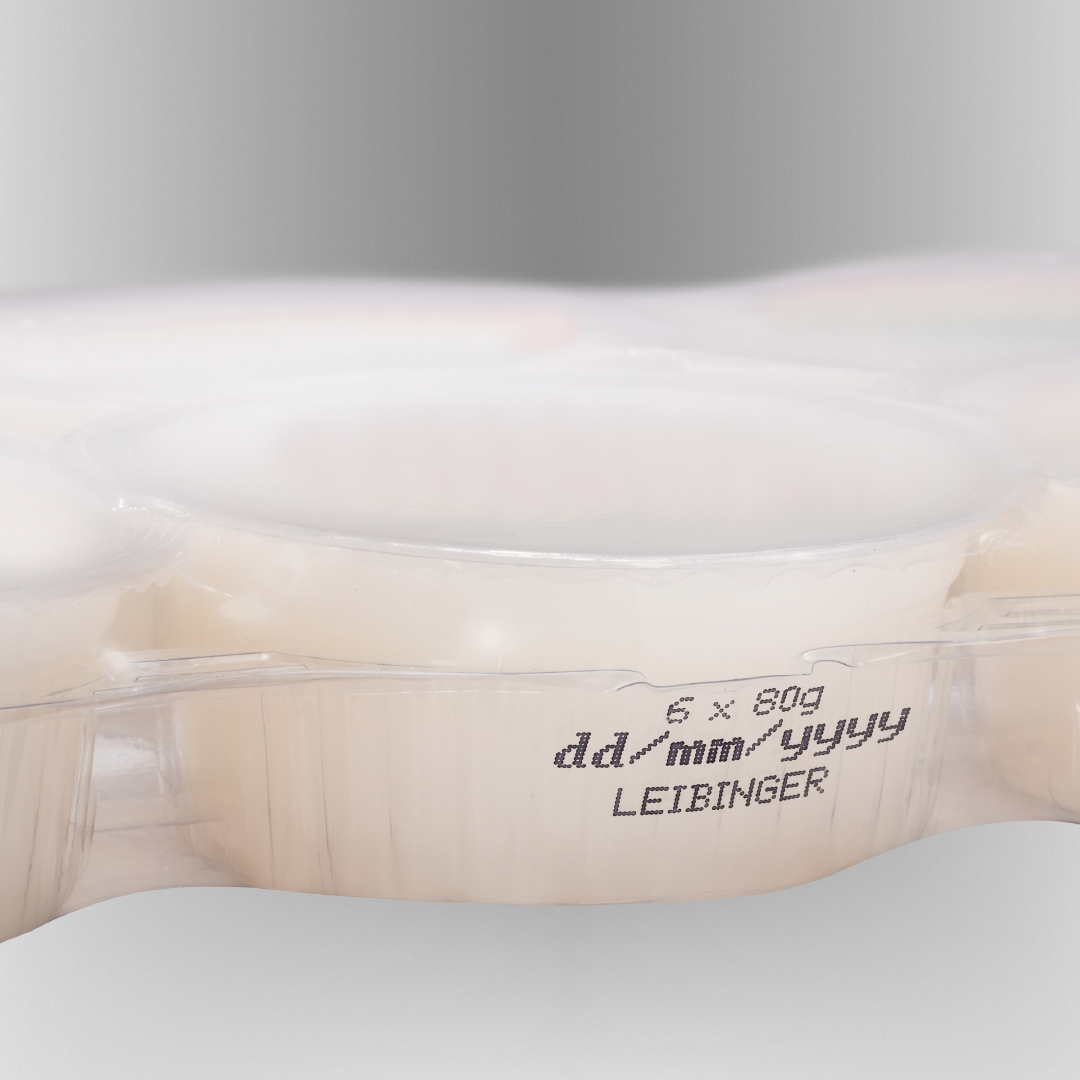
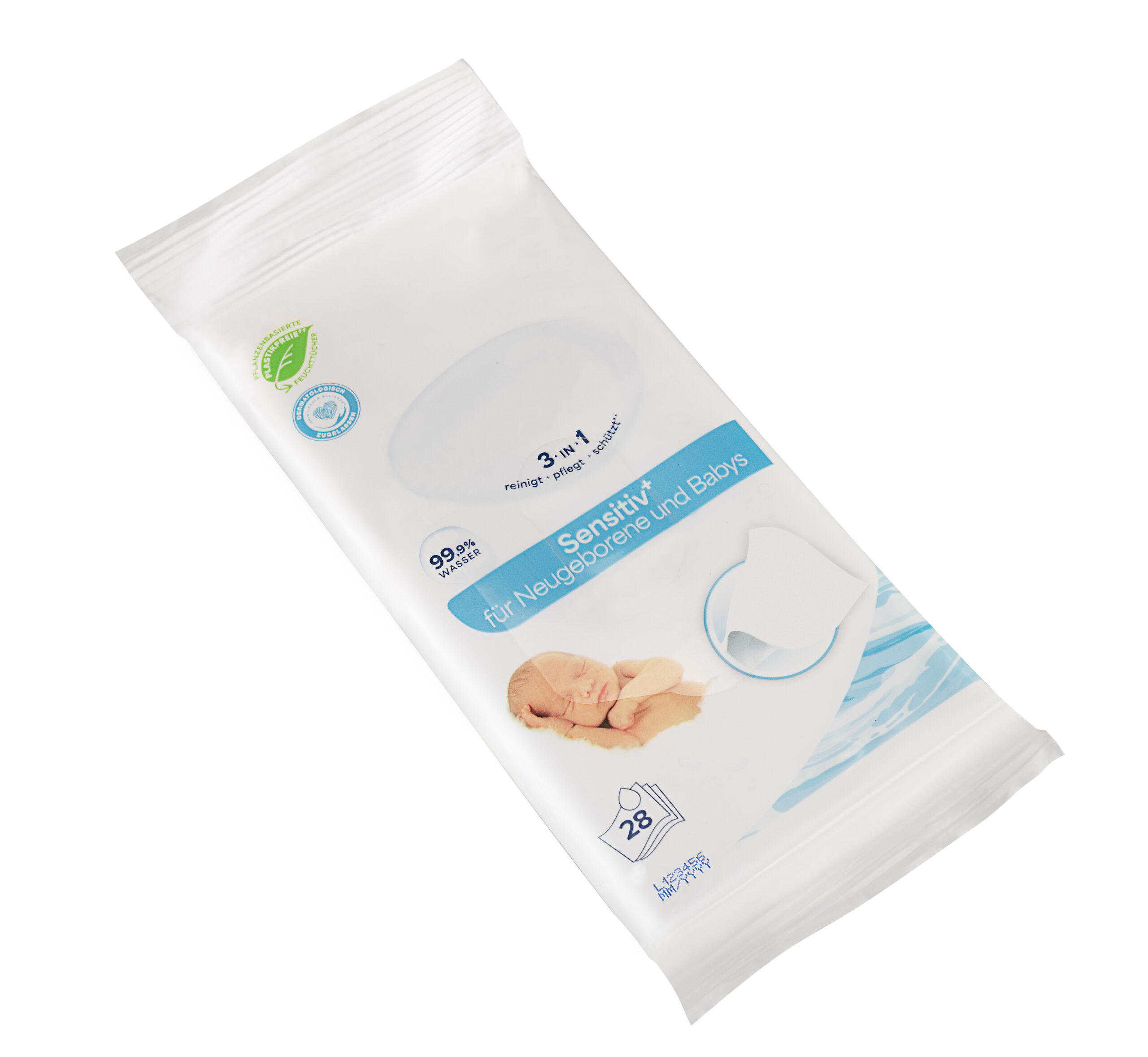
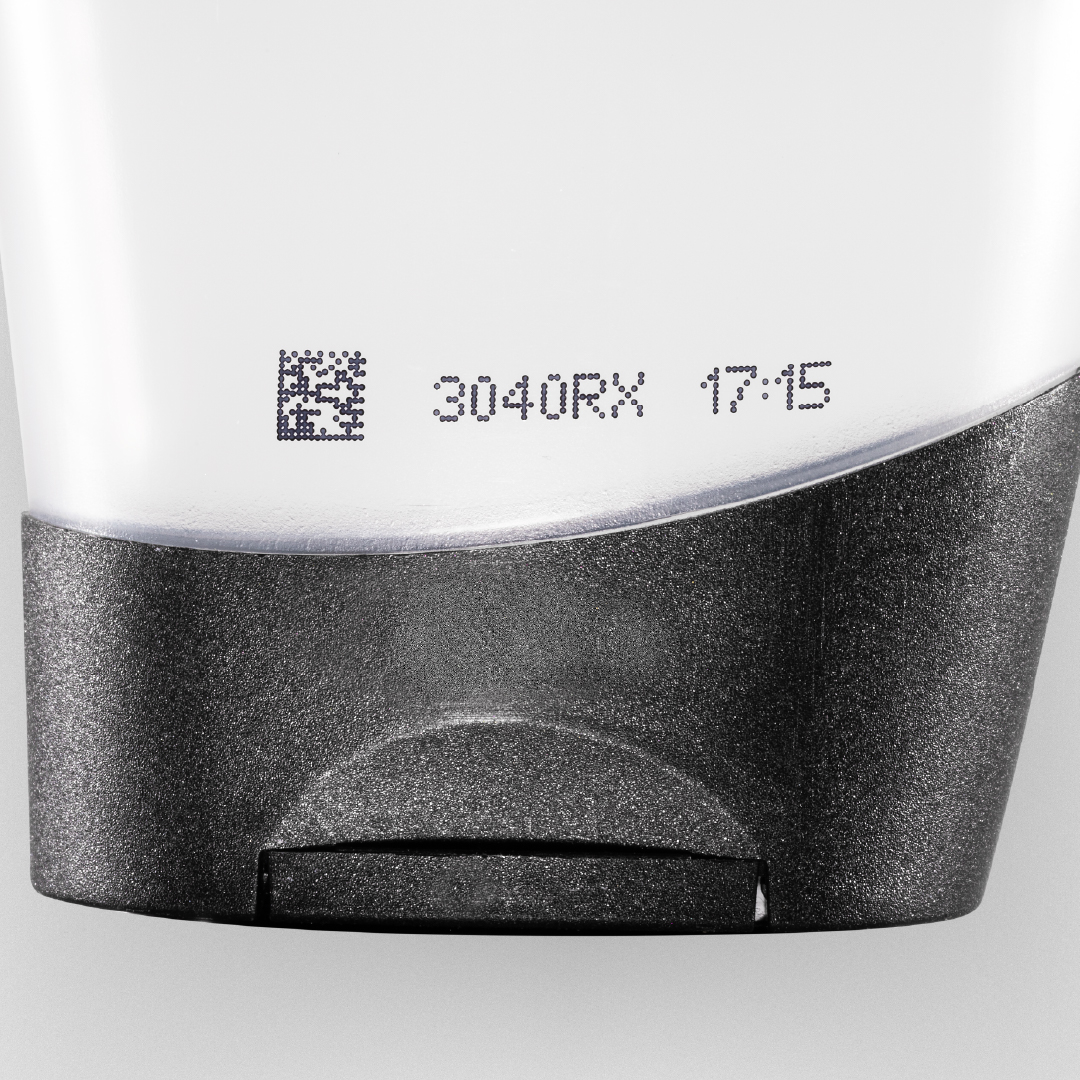
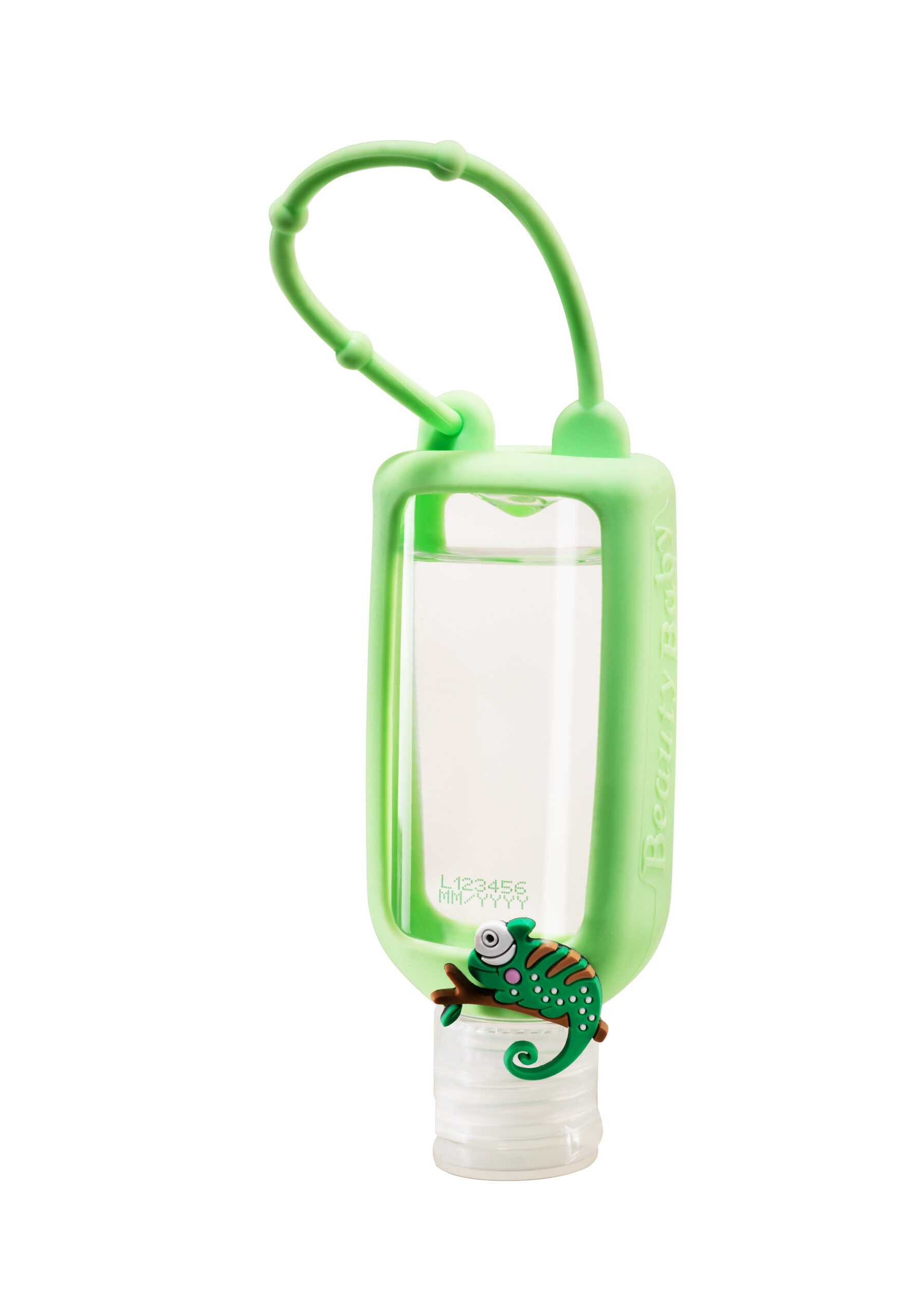
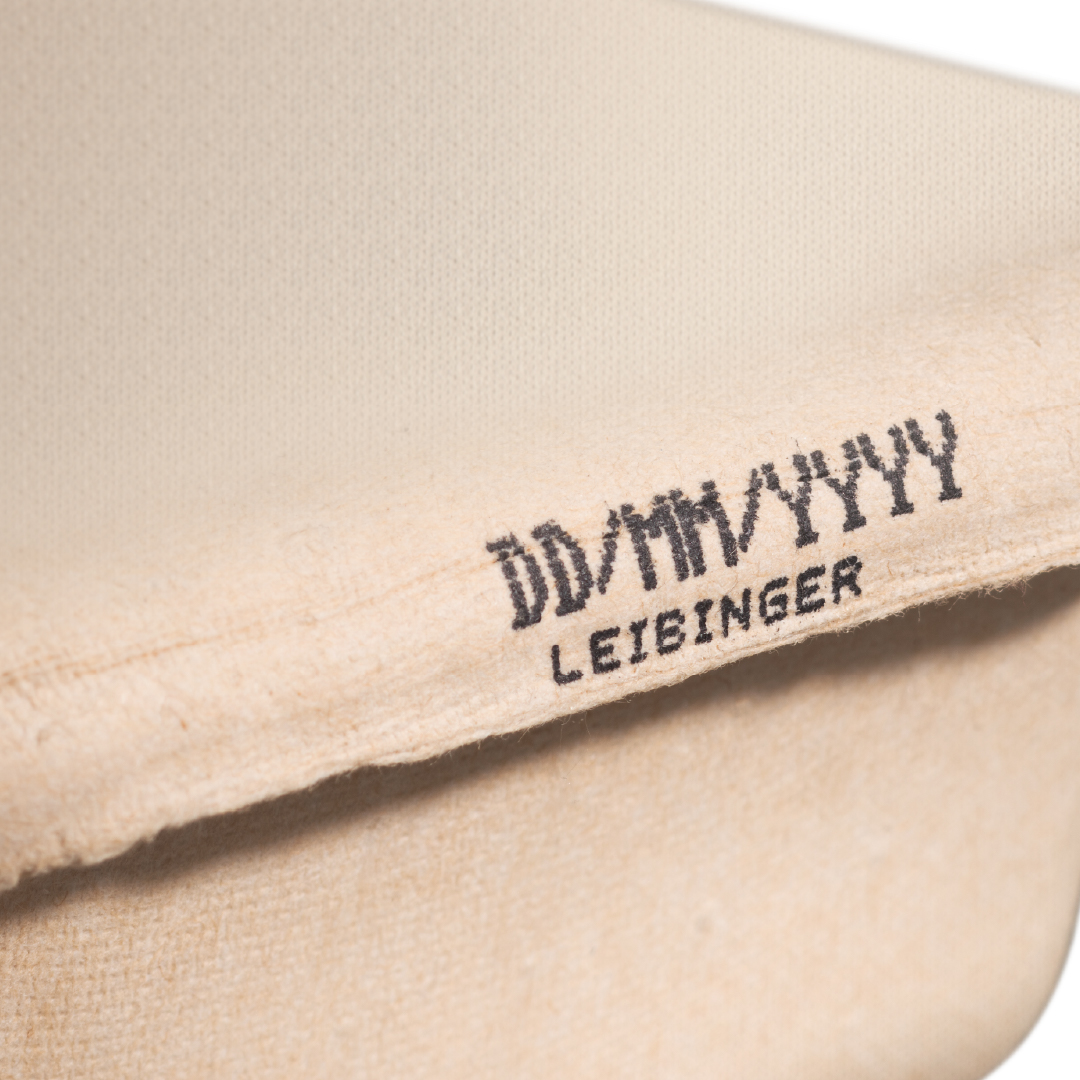
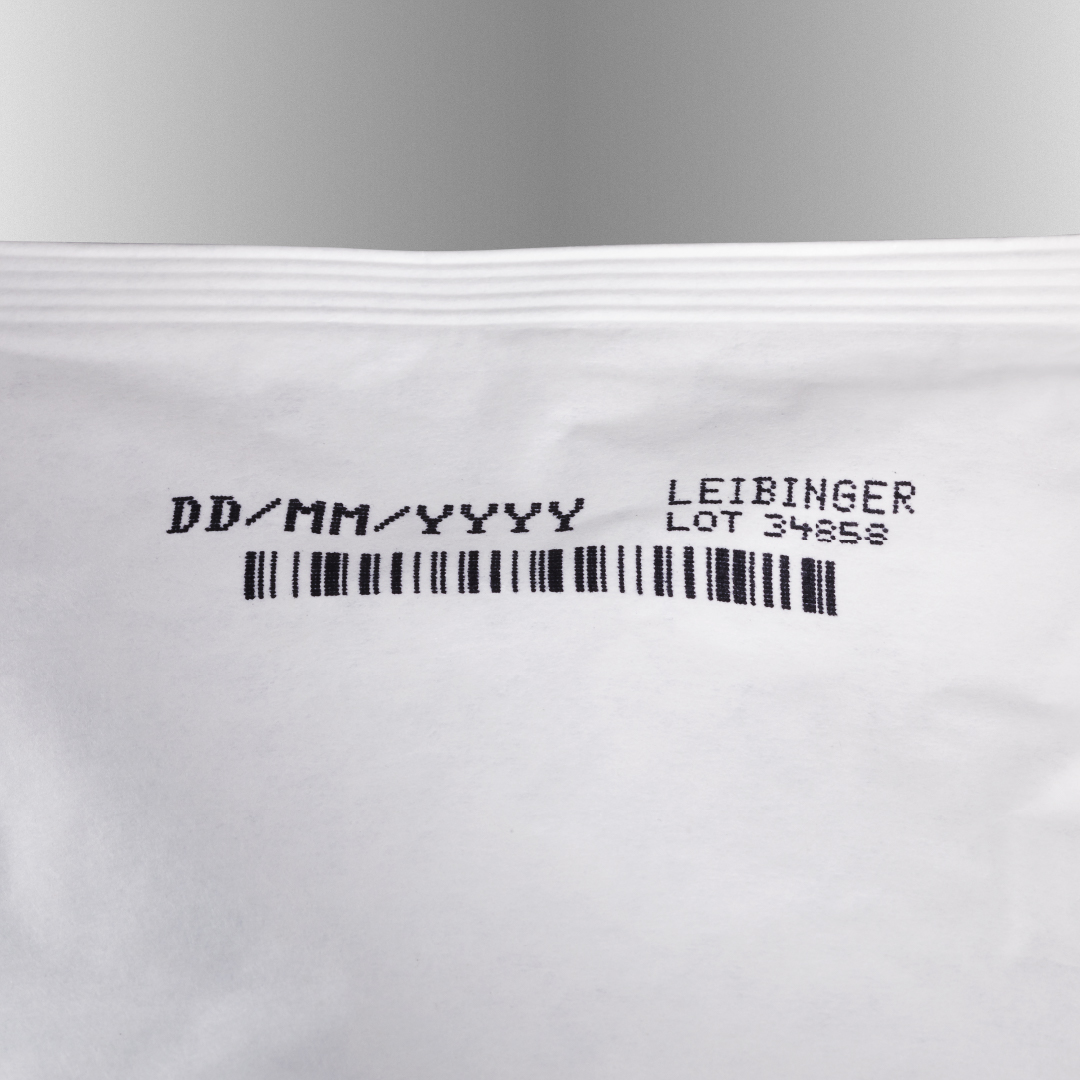
Packaging and FMCG manufacturers in India need reliable coding solutions to print essential product information on a wide variety of packaging materials. From personal care products and cosmetics to household goods and consumer products, clear batch numbers, manufacturing dates, expiry dates and Maximum Retail Price (MRP) information, where applicable, help support product identification, traceability and labelling requirements.
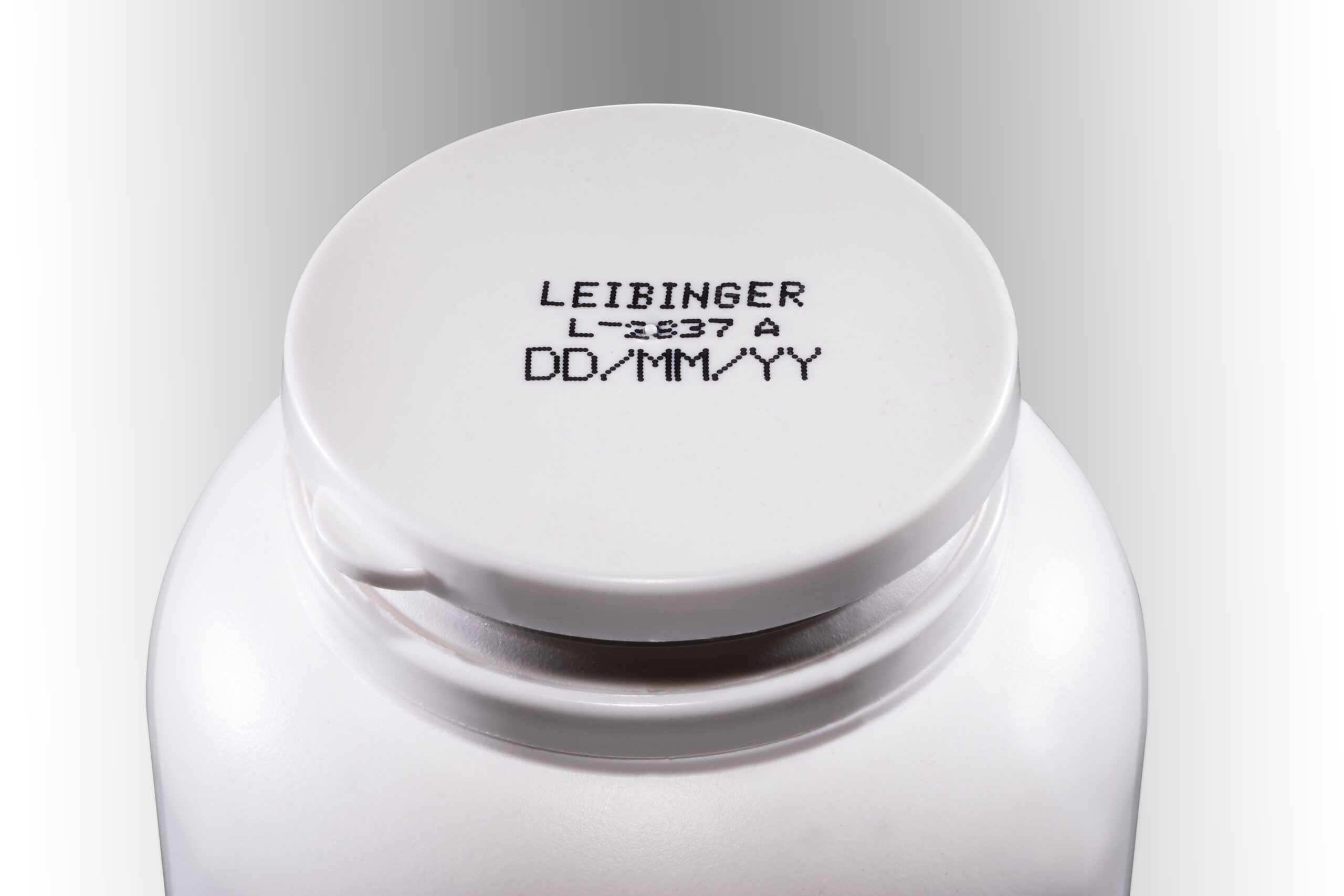
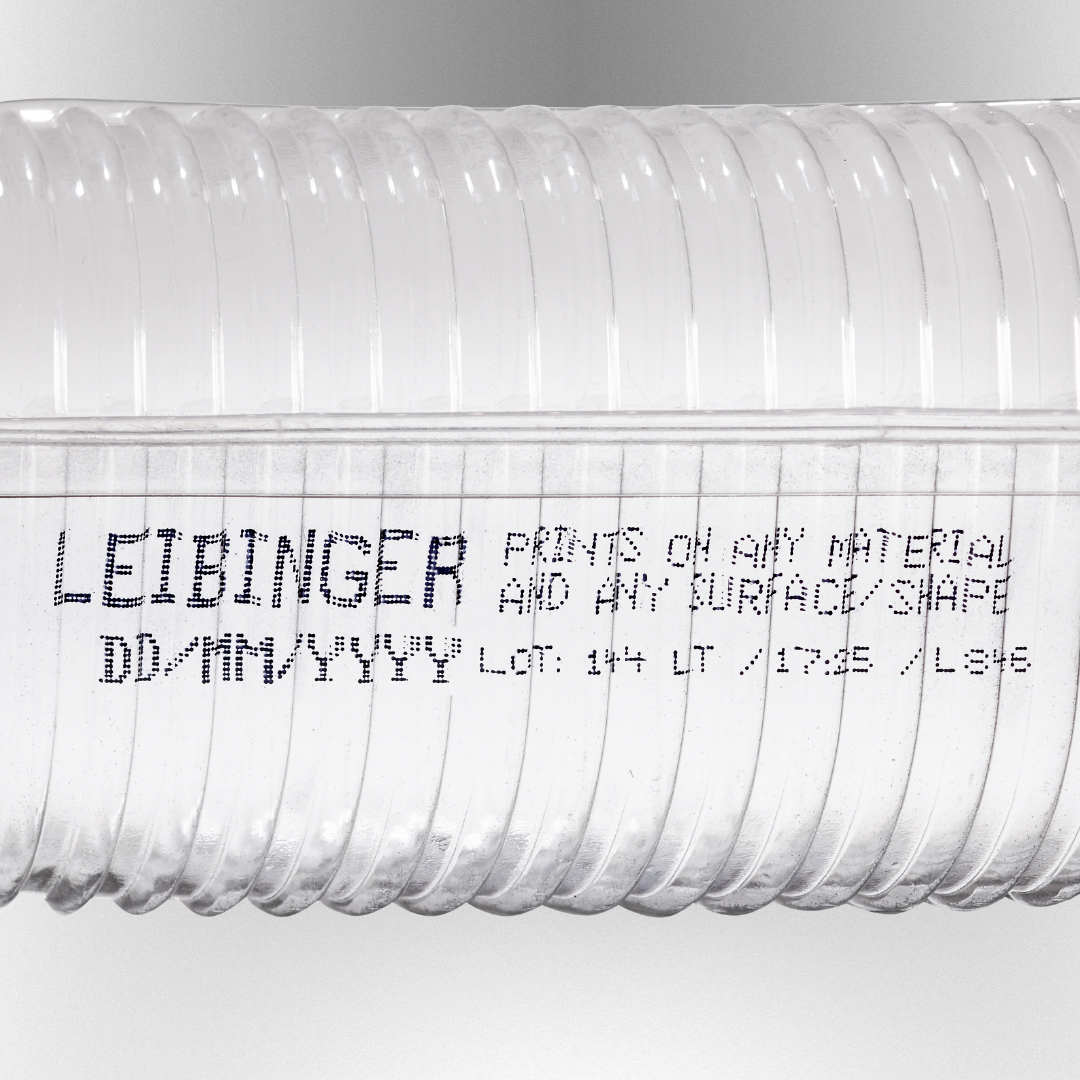
LMI-LEIBINGER continuous inkjet (CIJ) printers provide flexible, non-contact coding for fast-moving production and packaging lines. They can print variable information on suitable plastic films, sachets, bottles, containers, cartons and metal packaging. With application-specific inks and automatic nozzle sealing technology, LMI-LEIBINGER helps manufacturers achieve consistent print quality while reducing cleaning-related production interruptions.
A print-and-apply machine combines three steps in one automated process. First, an integrated label printer prints the required information onto a label. The label is then separated from its backing material and transferred to an applicator. Finally, the applicator places the label accurately onto the product or packaging. Depending on the application, labels can be applied by contact or using compressed air.
Direct thermal printing uses heat-sensitive labels that change color when heated by the printhead. It requires no thermal transfer ribbon and is commonly used for short-term applications such as shipping labels. Thermal transfer printing uses a ribbon to transfer ink onto the label material, providing more durable print results. It is often preferred for product identification, industrial labeling and applications requiring long-lasting readability.
Yes. Industrial print-and-apply systems can print machine-readable codes such as linear barcodes, QR codes and GS1 DataMatrix codes, depending on the printer and software configuration. They can also print variable text, logos, serial numbers and batch information. This enables automated product identification, inventory management and traceability throughout production and logistics.
Automatic carton labeling systems print shipping information and apply the label directly to cartons moving along a conveyor. Depending on the applicator, labels can be positioned on the top, side or another suitable surface of the packaging. The systems can be integrated into packing and shipping lines to process variable order data efficiently, making them especially useful in e-commerce, distribution and logistics.
Yes. Suitable industrial print-and-apply systems can generate and apply pallet labels containing GS1 identification data, including the Serial Shipping Container Code (SSCC). Depending on the configuration, pallet labeling systems can apply labels to multiple sides of a pallet. Compliance requires the correct data structure, label layout, barcode quality and positioning according to the applicable GS1 specifications.
Choosing the right system starts with your labeling requirements. Important factors include label size, print content, production speed, application position, product dimensions and environmental conditions. You should also consider connectivity, available installation space and whether products are labeled while moving or stationary. Modular print-and-apply systems offer flexible configurations for different industrial applications.
© Copyright LMI India. All Rights Reserved.
Designed and Developed by Easy Solutions 360.